

Most London gardens aren’t just planted with native hedgerow anymore. They’re usually now a mix of tough, good‑looking imports that are strong enough to shrug off London’s clay, pollution and shade, with larger native trees paving the parks and larger plots.
Rather than a definitive top 10 based on native commonality, we think it’s more useful to look at the different evergreen trees and shrubs that consistently perform in real London plots, like the best popular statement trees for classic plots, shade-tolerant shrubs for compact spaces, flowering evergreens for smart city hedging, and popular front garden options for contemporary urban garden spaces.
We hope this guide helps to inspire London gardeners when planning the planting schemes and structures for their own gardens. If you don’t want all the hassle, consider our planting services and let us take care of it all for you.
Pop us a message!
Why London gardens love evergreen structure
London gardens put up with a lot. Heavy clay soils that are just a bog in winter or parched dust in summer, or at least mixed clay which is still a challenge. Then there's the shade that comes from fences and townhouses looming over your garden, blocking out the little sunlight we get in this city. Not to mention pollution and the drafty winds that whip through the high rise buildings!
Evergreen shrubs and small trees are a god-send in this way, as they keep going all year round, ensuring you still get some greenery even when everything else is frozen and bare in February. Plus, they usually can offer up some much needed privacy and a frame for your flowering perennials to spill out of, so it doesn't look like a barren wasteland all winter.
For a London gardener, the kind of conditions you might find yourself trying to plant into could include:
- "London clay" that's sodden and unworkable in winter or cracked and dusty in summer.
- Neighbouring houses, mature street trees and close board fences that cast long, deep shadows.
- Small beds, tight side patios and balconies, and container-only spaces.
- Pollution and wind-blasted front gardens and roof terraces, because what's a London garden without a few high-wind gusts to make things interesting?
So let’s look at some common evergreens, trees and shrubs that can provide structure and privacy, or at least some added interest to your space, even through all of these city conditions.
Most popular statement trees for city plots
Honourable mention: London plane
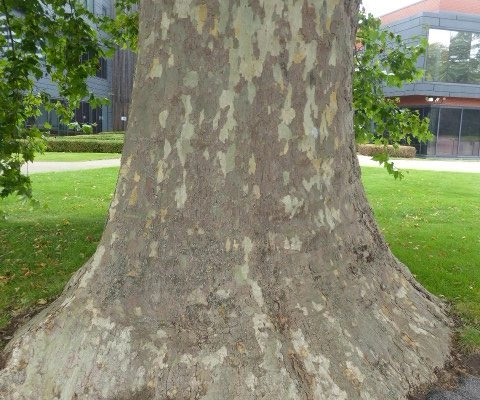
London plane distinctive peeling bark (Source: ForestResearch)
We can’t really talk about trees in London without mentioning the London plane. It’s the classic city giant that you see lining streets and squaring off grand squares.
London plane is a hybrid between a non-native American sycamore and Oriental plane, but ended up being perfectly adapted to London’s grime and bustle. Its peeling bark famously sheds the city's levels of pollution, and its tough root system tolerates London’s compacted, urban soils in a way more delicate trees simply can’t.
That said, London plane is usually far too big for the everyday back garden, which is why you’ll almost always see it in streetscapes and parks rather than your own garden space. In a standard sort of city garden, it’s better treated as inspiration than a common garden tree.
Think about why it works so well in London (pollution tolerance, resilience, good shade) and look for smaller trees that echo those qualities on a more garden‑friendly scale.
If you do have a very large plot and are tempted, you’ll need to plan for eventual size, root spread and shade. It's really a “plant once in the right place” choice, not something you can easily rethink later.
Eucalyptus: fast, fragrant, and best kept in check
Eucalyptus is actually originally native to Australia, but is a popular choice for London garden spaces. It has had a fast growth in popularity and importation due to its beautiful blue‑grey foliage, and you’ll now see it towering up in gardens across London. Just remember that it does prefer sun and reasonably well‑drained soil, so on London clay you’ll want to improve drainage and avoid any waterlogged pockets.
- Why people plant it in London: Eucalyptus offers quick vertical interest, scented foliage, great for cutting and bringing indoors, or freshening up the city air.
- London tip: Try picking shorter trees in London as they fit better when space is tight and a smaller variety stays manageable over time. Running regularly helps control size and pollarding every few years also keeps growth in check.
Cupressus: tall evergreen spires
Cupressus (like C. ‘Goldcrest’) has those narrow, upright spires that instantly give “Mediterranean townhouse”, but they’re surprisingly at home in London’s natural climate. They’re best in sun and reasonably drained soil, so again, raised beds, or improved clay with topsoil or other composts work well.
- Best situations: For punctuation at the end of borders, eye-level vertical accents, framing doorways, or adding height with limited size constrictions often found in London spaces.
Common shade‑tolerant plants for classic London plots
Aucuba (Spotted Laurel): thrives in dark corners
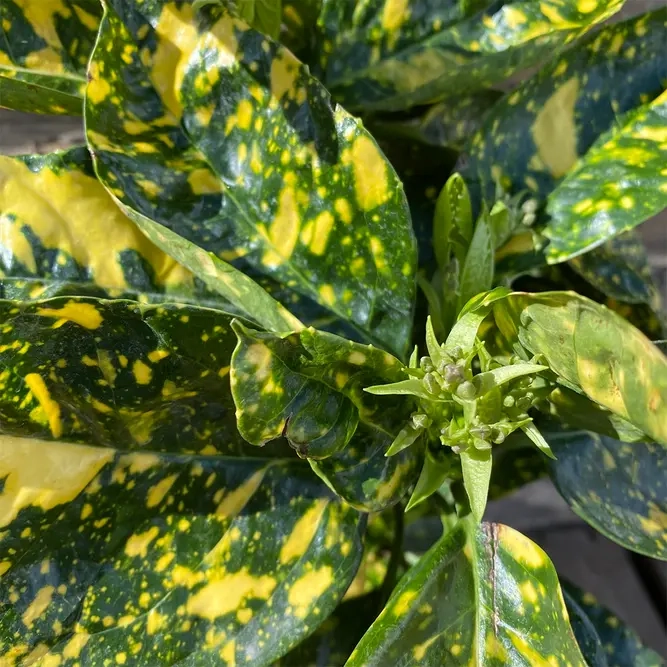
Aucuba, sometimes called Spotted Laurel, is the kind of plant that will always catch your eye once you know how to spot it. You’ll probably have seen it in dark, parched walkways, and north-facing nooks out and about in London, but it’s distinctive because of its spotted, golden green leaves.
Aucuba originates in East Asia, but this plant settles into city life as if it was native to the London pavement. It’s tough enough to face high city fumes, the often low levels of light, and heavy or mixed clay without blinking.
- Why London gardeners use it: It looks great when the sun catches its shiny leaves, which makes it perfect for brightening up grey cityscapes. It also helps to blend out clunky sheds and messy pipes, which is always a win.
- Best situations: Spotted Laurel works well in shaded front gardens or patios, but also side passages, under trees, north‑facing fences, etc. It really catches the eye!
Fatsia: architectural jungle for city shade
Fatsia japonica might seem better suited to warm coastal spots like its origin in Southern Japan, Korea and Taiwan, but it’s also a popular import for London gardeners, too. Fatsia offers captivating evergreen plant showcases large, glossy leaves adorned with a striking variegated pattern of green, cream, and white. No wonder it’s so popular!
- Why it works in London: Fatsia are built for shadowed spots, they handle heavy soil well when mixed with the right compost, keeping foliage crisp, even in cold months, and holding leaves perfectly through winter.
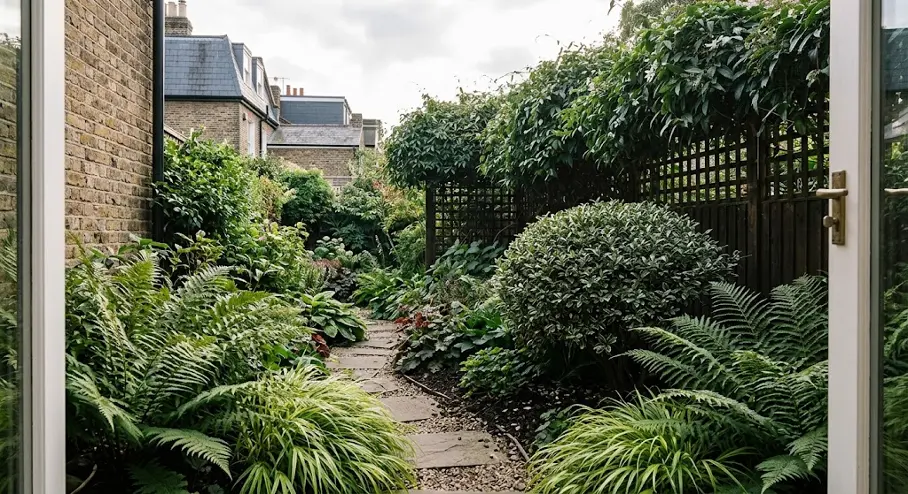
- Best situations for planting: Shaded corners work well for Fatsia, especially where sunlight stays weak most of the day. Facing away from direct sun helps it thrive quietly behind low plants. Think north‑facing patios, small courtyards, under windows, or as a backdrop behind smaller shrubs.
Sarcococca & Skimmia: winter scent and berries in compact spaces
Sarcococca (sweet box) and Skimmia are both from Asia, but they behave like they were designed for small London gardens with heavy, shaded soil.
- Sarcococca is a useful evergreen with glossy leathery leaves and surprisingly fragrant creamy-white flowers in winter and early spring, followed by purple (almost black) berries. It makes a useful plant that will happily grow in shade.
- Skimmia has tight clusters of leaves and its buds stay put through seasons with colourful berries that look good for months.
Both Sarcococca and Skimmia are perfect for:
- Small patios on the north side and containers on balconies or either side of a doorway.
- Under‑planting taller shrubs and trees to create a layered, woodland feel in small courtyards.
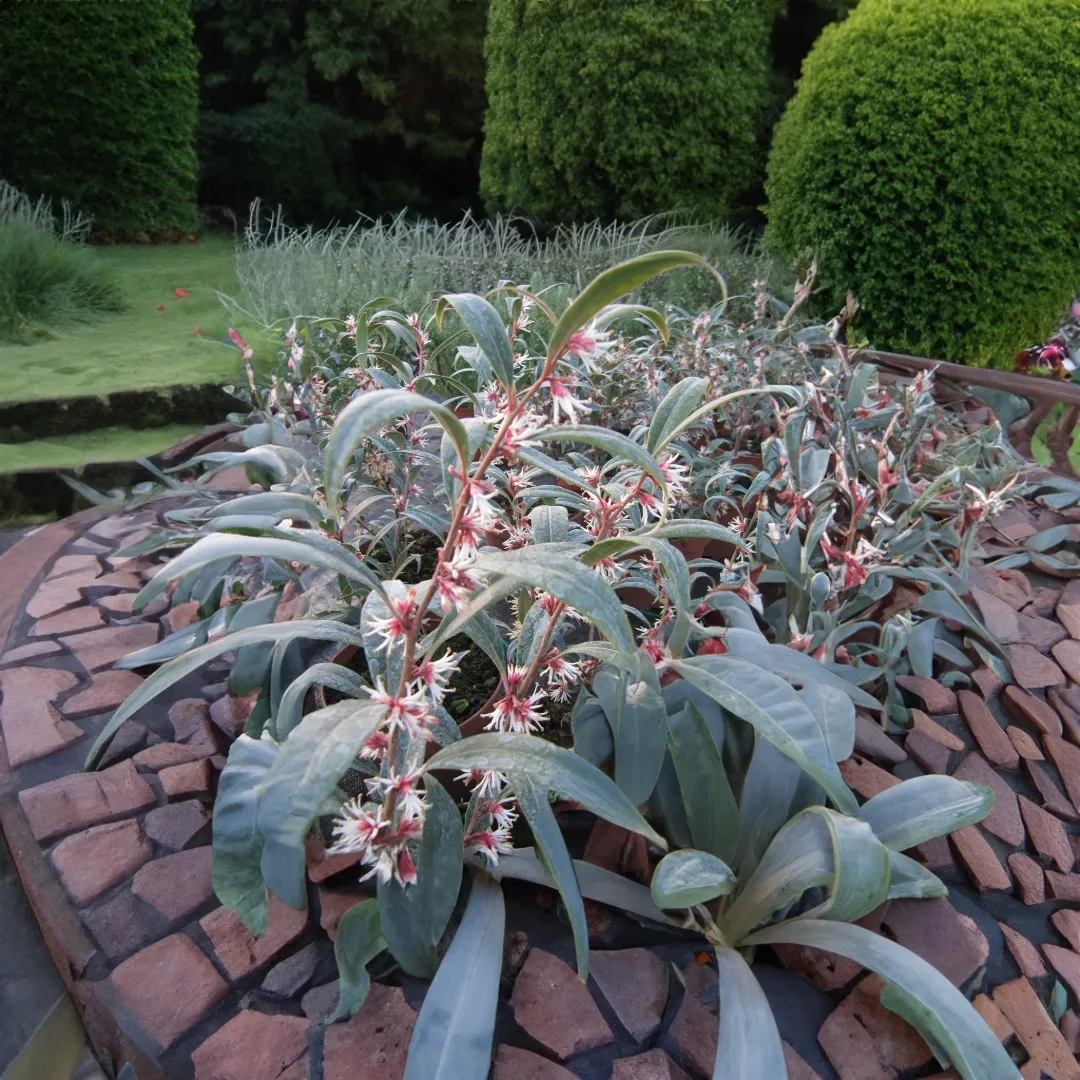
Sarcococca hookeriana 'Purple Gem'
The best evergreen “bones” for screening and city privacy
Taxus baccata (Yew): refined evergreen for smart hedges
Yew plants (sp. Taxus baccata) are another British native species, and are a popular choice for privacy hedging in compact London garden terraces. They are a slow-growing species, which might seem like a pain at first, but if you stick with them, their lengthy lifespan will make it worth the wait! Yew plants will grow fine in sun and shade, and will handle London’s heavier soil pretty easily too.
- Why London gardeners use it: Yew can clip really beautifully into neat hedges or topiary shapes and brings a quietly expensive, “London square” feel to even a small terrace garden.
- Best situations: When you need a barrier between gardens or tall privacy screens this works well. Their sharp angles fit right into structured city landscapes.
Prunus (Cherry Laurel): fast growing dense foliage
Prunus (Cherry Laurel) plants are not native to London, but are a big player in London planting schemes. Cherry Laurel shrubs can grow quickly once settled in London soil, but may sometimes need some help with a good compost mix to help them get going. Once settled, they’re hardy and great for gardeners with less time on their hands.
- Why they’re common: Tough enough to handle mistakes, and they bounce back when pushed too far. Even hard clipping now and then doesn’t stop them thriving.
- Best situations: long gardens needing privacy, boundaries next to busy roads or railway lines.
Photinia & Pittosporum: colourful screens for modern gardens
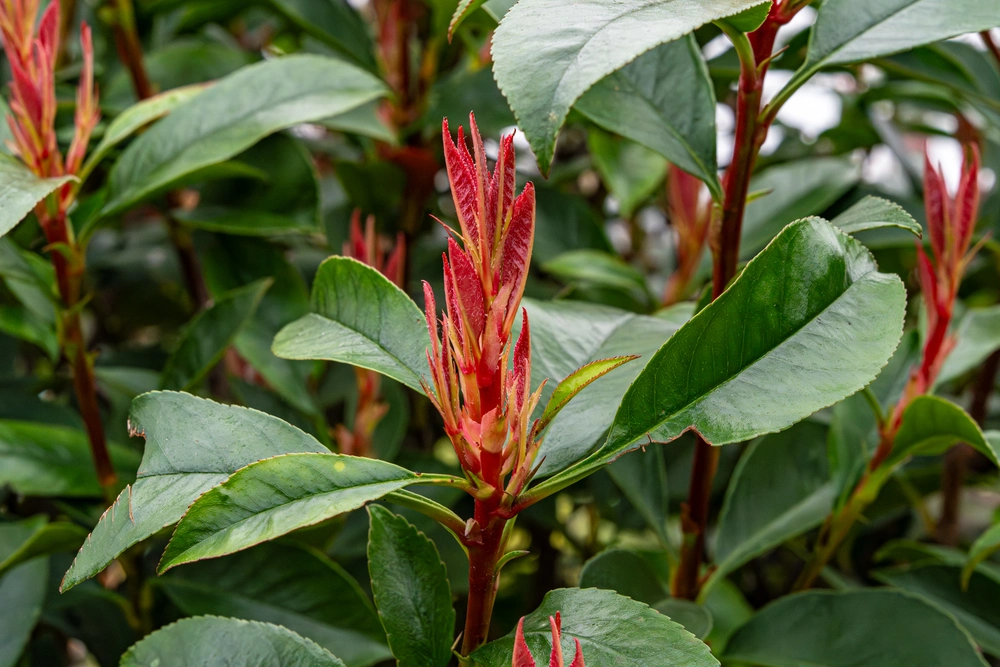
Structural shrubs like Photinia and Pittosporum are great for privacy, especially if you like the look of something airier and more contemporary-looking than a laurel row. Like Prunus, they’re also non-native, imported from Asia and Australasia, and common in UK cities like London, because they suit the milder, urban microclimate.
- Photinia: Especially ‘Red Robin’ type varieties give colour as well as screening.
- Pittosporum: They’re quite dense, often variegated foliage, naturally “cloud‑like”, great for gentle screening and clipping into soft shapes.
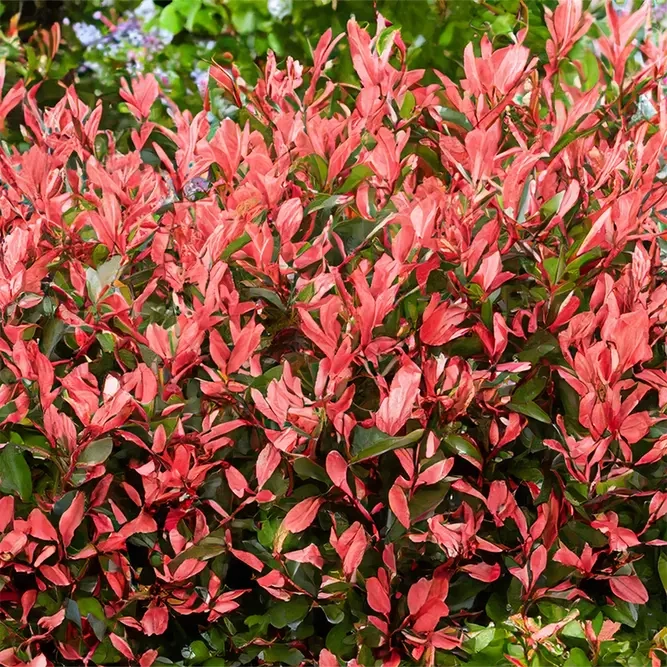
Photinia x fraseri 'Little Red Robin'
Popular but tough front‑garden and container heroes
Euonymus: small, bright and almost indestructible
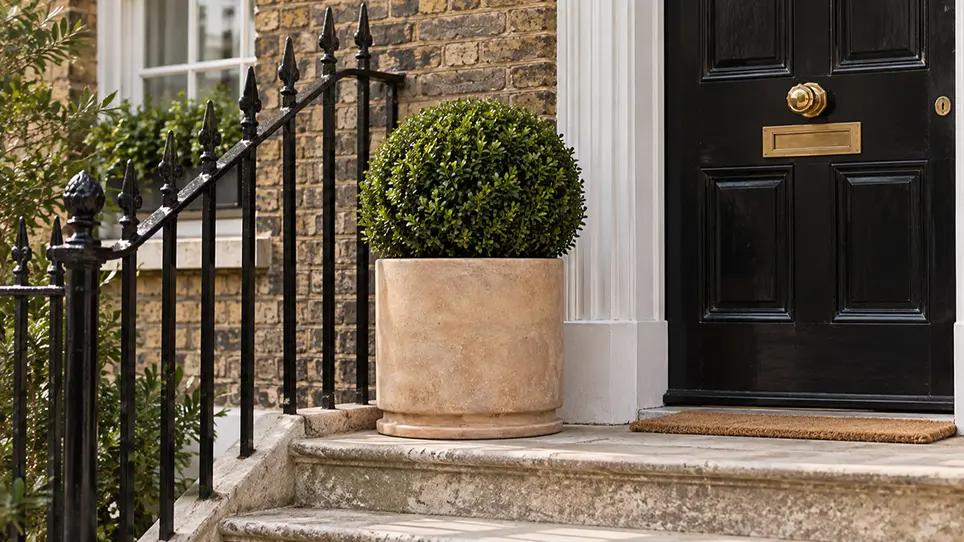
Euonymus is one of the most commonly used shrubs in London front gardens because it’s so versatile. It tolerates sun, shade, pollution and regular clipping. Variegated varieties of Euonymus in particular help to lift any darker, narrow spaces and even look sharp in pots or as low hedges.
- Why gardeners love it: it’s actually very low maintenance, easy to keep dense and neat, and happy in containers with regular watering.
- Best situations: front‑door pots, low boundary edging, balcony containers.
Ilex (Holly) & Pyracantha: berries, birds and security
Ilex (holly) and Pyracantha (firethorn) are both widely used in London for their berries and their thorny deterrent value along fences and walls.
- Holly: a UK native group, very hardy, evergreen, excellent for wildlife and classic winter interest.
- Pyracantha: evergreen with masses of autumn berries and wicked thorns – ideal on boundaries under windows or along alleyways.
Both accept reasonably heavy soils and urban pollution, especially with a bit of compost worked in.
Griselinia, Nandina & Grevillea: for milder, more contemporary spots
London’s urban heat island means some borderline hardy plants from the Southern Hemisphere can thrive, especially in sheltered inner‑city gardens.
- Griselinia: glossy, apple‑green foliage, fantastic for clipped hedges and screens in coastal and urban gardens.
- Nandina (heavenly bamboo): not a true bamboo; light, airy foliage with changing colours and berries, great in pots or mixed borders.
- Grevillea: fine, often spiky foliage with exotic flowers, ideal for well‑drained, sunny spots that heat up against walls.
These add a lighter, more contemporary feel and work especially well in smaller, design‑led gardens.
Quick reference: where these popular London plants shine
| Need in a London garden | Great options |
|---|---|
| Deep or dry shade | Aucuba, Fatsia, Sarcococca, Skimmia, Viburnum tinus |
| Smart evergreen hedge / screen | Taxus baccata, Prunus (Cherry Laurel), Photinia, Pittosporum, Griselinia |
| Winter flowers or berries | Camellia, Sarcococca, Skimmia, Rhododendron, Ilex, Pyracantha, Viburnum |
| Small front‑garden or container structure | Euonymus, Hebe, Nandina, Skimmia, dwarf Camellia, Azalea |
| Hot, sunny, well‑drained spots | Ceanothus, Grevillea, Eucalyptus (pruned), Cupressus, some Pittosporum |
Shop London shrubs and trees at Boma in Kentish Town
All of these plant groups are represented in our evergreen shrub ranges, curated specifically with London’s mix of clay soils, small gardens and tough urban conditions in mind.
Whether you’re after a single statement shrub for a balcony pot, a smart evergreen hedge, or a full planting plan for a new London garden, our team can help you choose the right plants for your space and soil.
If you’d rather not wrestle with heavy clay and bags of compost yourself, you can also chat to us about planting services. From sourcing and delivering your trees and shrubs to getting them into the ground properly, with the right soil improvements and spacing to help them thrive long‑term.
Fancy making a trip of it? Visit us for our full shrubs range
– and ask in‑store about help with planting and aftercare if you’d like us to do the heavy lifting!
Most Common Plants in London: Frequently Asked Questions
What are the most common trees native to London?
London’s urban tree canopy is actually dominated by the non-native London plane in streets and squares, with native British trees like oak, silver birch, lime and sycamore also very common in parks and private gardens. These many species together create a connected habitat where flowers provide pollen, leaves feed other insects and birds, and the overall ecological importance for the local area is high.
How can you identify trees are native species or imported?
Start by finding the tree's scientific name - this helps figure out where it originally came from. Certain oak trees, for instance, are fully UK-native, while London plane is a hybrid of non‑UK parents. then cross‑check against reliable British trees lists. You can also use visual clues and online keys to identify trees first (leaf shape, bark, fruit), then see if that species naturally occurred in Britain or was introduced; London plane’s patchy, peeling bark and silver birch’s pale trunk with dark, horizontal strips are classic non‑native vs native cues.
Is silver birch native to the UK/London?
Silver birch is a native species in the UK and is widespread in Britain, and it has been planted extensively as a graceful ornamental in London’s parks, streets and private gardens, who welcome the species for its open, feathery form. You can identify trees of silver birch by their white bark marked with black, almost horizontal strips or diamonds, and light, pendulous canopy. Its presence supports biodiversity more than most realise, they’re not just decoration!
What are the most common plants in London?
Big canopy trees like London plane, oak, etc, share space in city gardens with hardy evergreens like Aucuba, Fatsia, Euonymus, Skimmia, Hebe and Viburnum to provide structure in small borders and containers. These common shrubs, mixed among native trees and blooming perennials, feed bees and butterflies, and make up much of the layered planting in front gardens and back gardens while making the most of tough local area conditions like clay soil and pollution.
How do trees in London gardens support biodiversity?
Trees in London gardens quietly boost biodiversity because their deep roots improve soil structure and moisture, while fallen leaves and dense branches create shelter and nesting spots for many animals, from birds to small mammals and other insects. When you plant a mix of flowering shrubs and trees to feed bees and other pollinators, you turn even a small garden into part of a wider urban wildlife network, so your plot helps support city‑wide biodiversity, it doesn’t just sit in isolation.
Boma Garden Centre · Kentish Town
Continue your planting journey with Boma
Explore curated plant collections, handmade pots & planters, and garden essentials, carefully chosen to help London's plant lovers create beautiful, thriving spaces.
Pots & Essentials
Independent garden centre · Expert plant advice · Local London delivery