

Every gardener knows how infuriating it can be to see your newly planted seedlings devoured by slugs or your broad bean crop smothered in aphids. But luckily, there are ways to tackle garden pests without automatically reaching for the pesticide spray. We’ve put together our top tips on how to keep garden pests under control naturally.
7 natural pest control tips for gardeners
-
Strong, healthy plants are less at risk of attack from pests and diseases, so make sure your plants have the right growing conditions and enough water and nutrients to grow well.
-
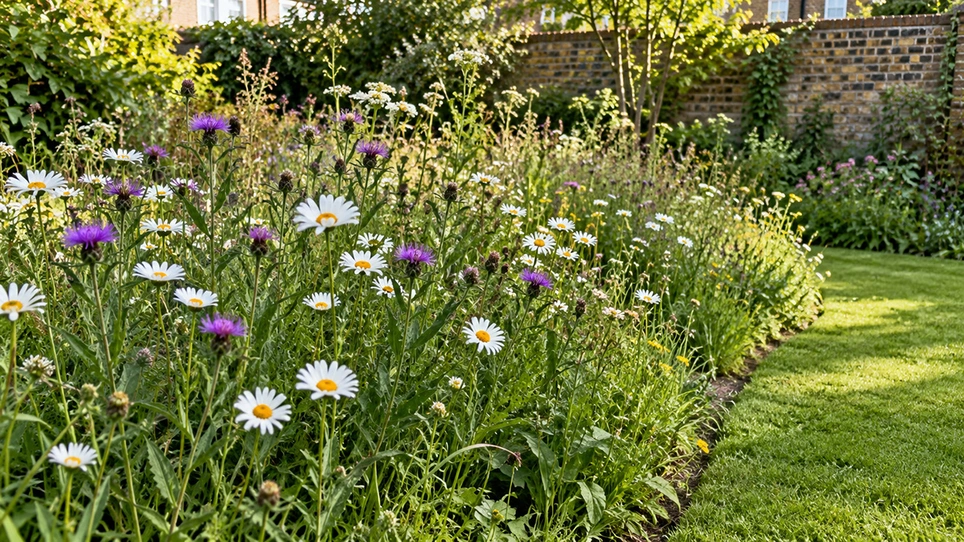
Encourage beneficial insects like ladybirds and hoverflies into the garden. As well as chomping their way through huge quantities of aphids, these useful insects also feed on nectar and pollen, so they’re attracted to flowering plants. Umbellifers (plants with flattened flowerheads) like Ammi majus and Achillea are especially popular, as are plants in the daisy family.
-
Use sacrificial plants to attract pests away from the plants you want to protect. You can then either pull up the sacrificial plants and destroy them or pick the pests off by hand. Nasturtiums are great at attracting aphids, and French marigolds will lure in slugs and snails.

-
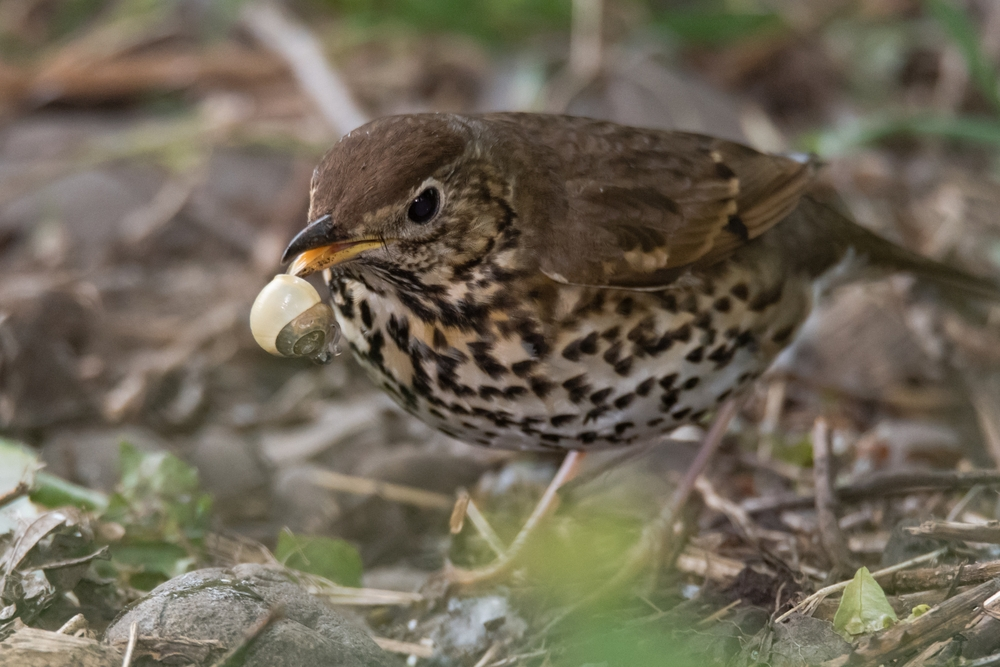
Birds eat a huge number of caterpillars, aphids and other garden pests (thrushes and blackbirds will even eat slugs and snails!), so encourage birds into the garden by planting shrubs like hawthorn, pyracantha and holly, which provide both food and shelter.
-
Create a wildlife pond to attract frogs and toads, and they’ll help to control slugs and snails. Your pond doesn’t need to be big – even a large washing-up bowl sunk into the ground and planted up with one or two aquatic plants will attract wildlife and help keep pests down.
-
Protect precious plants from slugs with beer traps. Sink empty yoghurt pots into the ground, with the lips of the pots approximately 2-3cm above ground level, and part-fill them with beer. Slugs and snails will be attracted to the liquid, fall in and drown. Check and empty the traps daily.

-
For small gardens, hand-picking is one of the simplest ways to control pests. Wipe small infestations of aphids off plant leaves before they have a chance to get established, or spray them off with a water jet. Go out with a torch and bucket in the evening and pick slugs and snails off your plants – just remember that they have strong homing instincts, so if you’re planning to release them, take them at least 20m away. Keep an eye out for bright red lily beetles on lilies. Pick them off by hand and squash them. They tend to drop off the plant to protect themselves, so put a sheet of white paper on the ground around the plant first to make any fallen beetles easier to spot.
Whatever challenges you face in your garden, you’ll find solutions in our centre. Come in and see us today – we’re always happy to help!