

Fresh flowers fill a house with life and colour, and there’s nothing better than picking your own. Grow your own cutting garden, and you can have fresh flowers on your doorstep whenever you want them. Here are our top 10 tips on growing your own cutting garden.

Top 10 tips on growing your own cutting garden
-
Site your cutting garden in a sunny spot with fertile, well-drained soil and protection from strong winds. Dig some compost or organic matter into the soil before planting, and provide stakes for tall plants.
-
For ease of maintenance and picking, plant in rows, keeping blocks of the same plant together. Plant as densely as possible (while still allowing each plant space to grow) so that you make the best use of your space. Close planting also shades out weeds, meaning less maintenance.
-
Flowers with long stems, such as cornflowers, dahlias and lilies, are the most useful for flower arrangements, so make sure your cutting garden includes plenty of these.
-
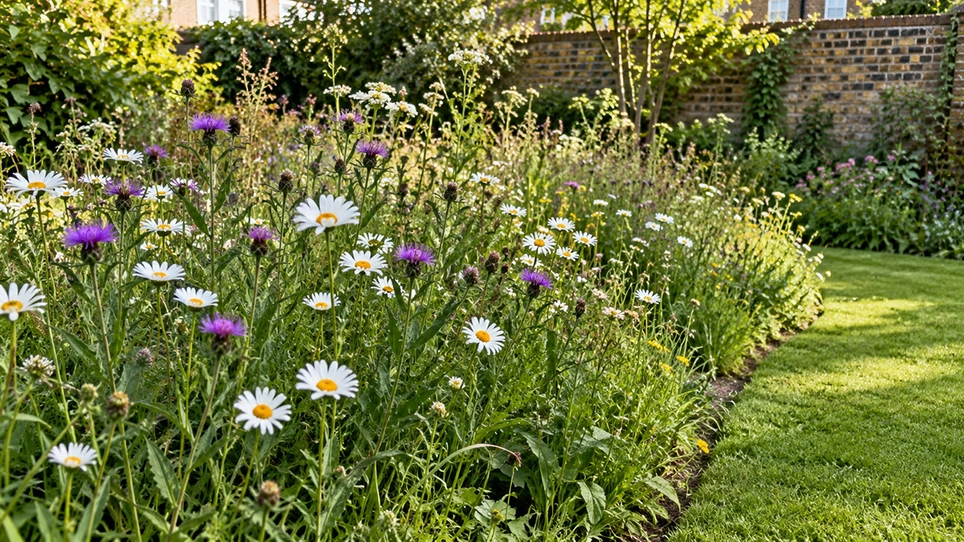
Flowers that re-bloom after cutting, such as shasta daisies, cosmos and repeat-flowering roses, are ideal for cutting gardens, as you get so much more from each plant.
-
If you only have a small space for a cutting garden, pick a colour scheme and choose plants that will work with this colour scheme. That way, your arrangements will always look good together, no matter what’s in bloom.
-
Choose flowers with different shapes to add interest to your arrangements, such as ball dahlias with round flowerheads or upright gladioli with spearlike flower spires.
-
Don’t forget to plant a few fillers to add softness to bouquets and vases. Gypsophila, Ammi majus (Bishop’s flower), and asters make excellent filler plants.
-
Foliage is just as important as flowers in a stylish arrangement, providing a foil for the beautiful blooms. Some of the best foliage plants for a cutting garden include Artemisia (wormwood), Bupleurum (hare’s ear), Euphorbia, Alchemilla (lady’s mantle), sage and lavender.
-
As well as cutting flowers, one of the most critical maintenance tasks in a cutting garden is regular deadheading. This prevents the plants from setting seeds and keeps them producing more flowers for an extended period.
-
Annuals (plants that live for just one year and die after they’ve finished flowering) are great for cutting gardens, as many flower for an extended period. They can be grown from seed, which means you get a lot of plants for the price of a seed packet. Annuals will need to be resown every year, but that gives you the chance to experiment with different plants! Some of the best annuals for cutting gardens include Nigella (love-in-the-mist), cosmos, cornflowers, scabious, sunflowers and sweet peas.
We have a fantastic range of seeds and plants for cutting gardens in our centre, so visit us today and get your garden started!