

Gardening in urban areas is full of challenges. Space is often limited, and gardens are shaded and overlooked by neighbouring properties. But with a few simple tips, you can turn your urban garden into a haven from the hustle and bustle of city life.
Tips for shady gardens
Don’t despair if other buildings shade your garden. A shady garden is an oasis of cool on hot summer days, and with the right plants and accessories, it can look as good as a sun-drenched space. Follow these tips to make the most of a shady garden.
- Don’t waste time and effort trying to grow plants that need lots of sun. Instead, choose shade-loving plants like ferns, epimediums, hostas and bergenias.
- Use foliage contrasts Combine bold-leaved plants like hostas with more delicate foliage, and lighten the effect by adding colourful foliage plants like lime-green Heuchera ‘Lime Rickey’ and silver-variegated Brunnera ‘Jack Frost’.
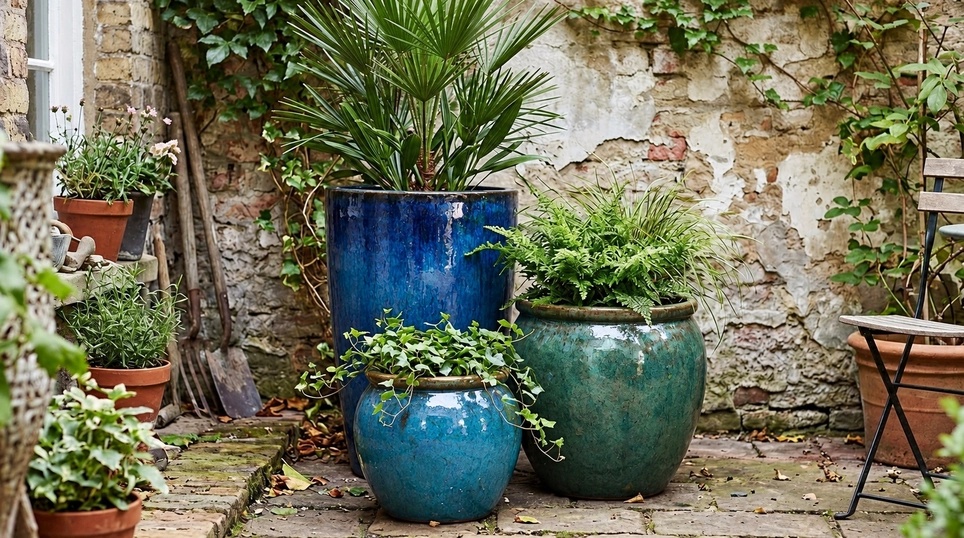
- Shade-loving plants tend to have flowers with soft, muted colours, so liven things up with brightly coloured pots or garden furniture that will look good all year round.
Tips for small gardens
These design tips can make even the tiniest garden feel bigger and more attractive.
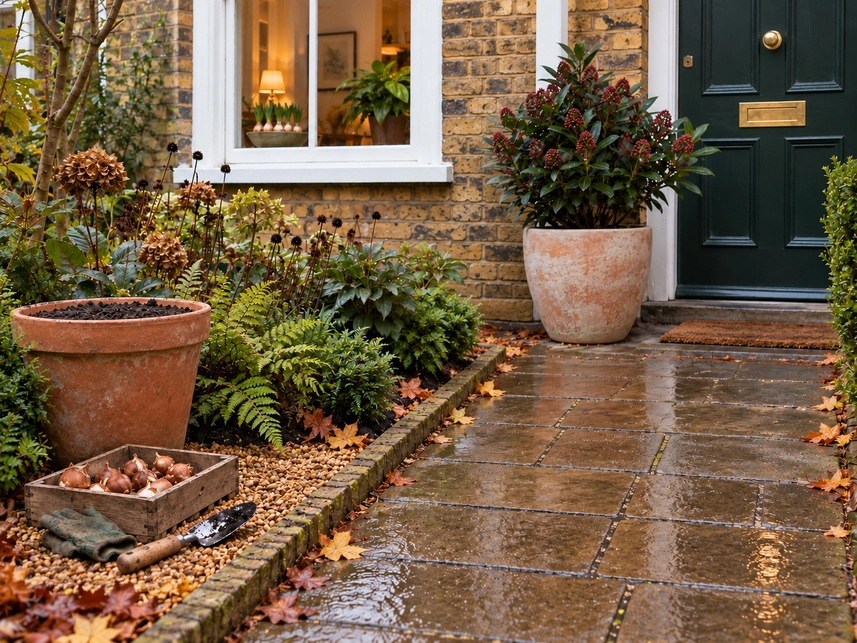
- Look for plants with more than one season of interest, e.g. exciting foliage and flowers, to look suitable for an extended period. Include plants with berries or colourful stems for winter interest.
- In a tiny garden, keep things simple by restricting your planting palette. Repeating groups of just a few different plants gives a clear, uncluttered look, making your space feel bigger.
- Don’t be afraid to use a few big things in small spaces. One big pot will have more impact than a group of smaller ones.
- Create separate areas in your garden. It may seem strange, but dividing up even a tiny garden into different areas can make it feel more extensive. Break up a lawn by adding a new bed or using paving to define a seating area.
Tips for overlooked gardens
Being overlooked by neighbouring properties is almost unavoidable when houses are built close together. But you don’t have to enclose your garden with high walls to create some privacy. The secret is to break up the sightlines between you and your neighbours and create areas in the garden where you can feel private.
- Add a pergola and train climbing plants over it to give you privacy and a beautiful shaded seating area.
- A well-placed tree can block the view from a neighbouring window. Pyrus ‘Chanticleer’ (ornamental pear) and Prunus ‘Amanogawa’ (flowering cherry), with their tall, narrow silhouettes, are ideal for screening in small gardens.
Need advice on plants for urban gardens? Visit our centre where our staff are always happy to help.