

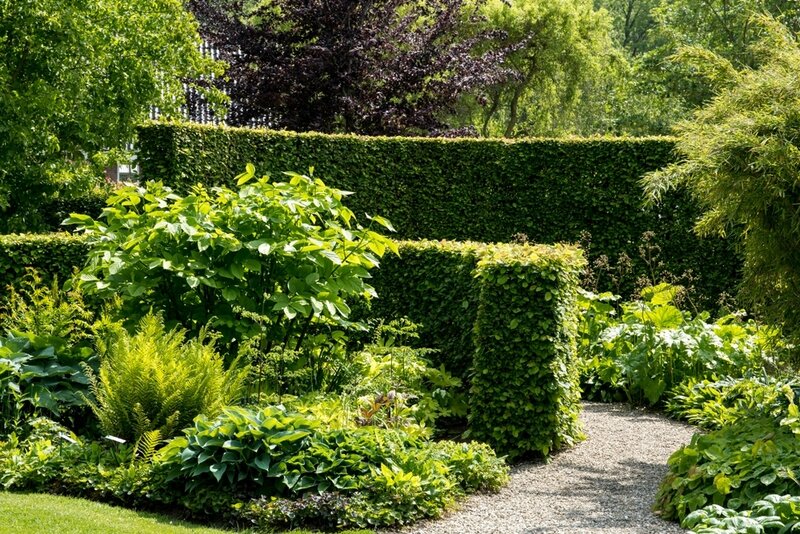
The question of how and when to prune hedges is a frequent question asked by many gardeners, both experienced and less so. There are different pruning methods for different times of the year and plants, but this step by step guide should give you a good idea of what to do and when. There are many resources online and plenty of help in store as well.
Established and informal hedging
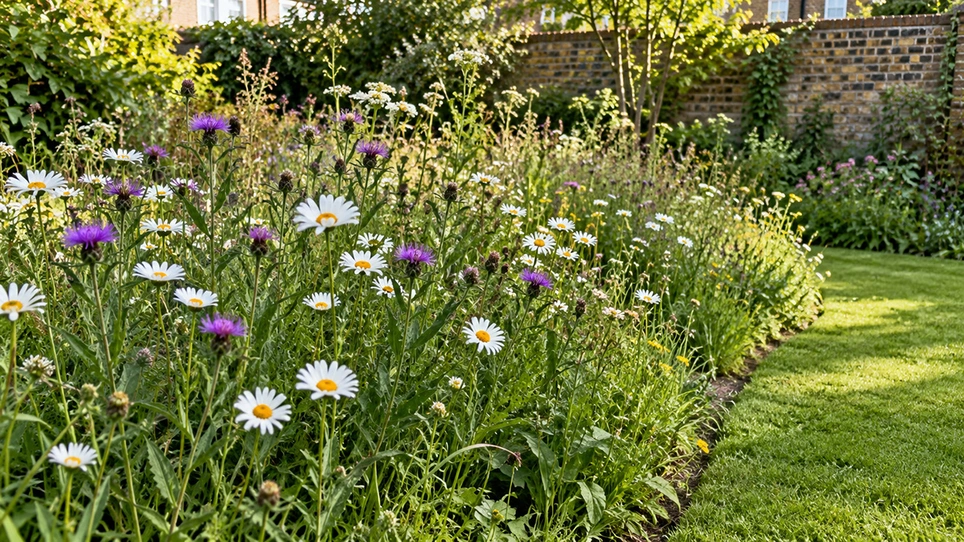
Hedging that is well established will need maintenance pruning mostly to ensure they remain bushy and dense rather than tall and leggy. This is usually only needed once per year. Informal hedging is a great way to have a beautiful wildlife haven as a boundary on a property.
New hedging
Anything you have newly planted will require formative pruning. This is usually for the first two years and is undertaken during winter up to early spring. When the hedging is more established after a couple of years, your pruning will be for maintenance as described below.
Formal hedging
Formal hedging will need more regular pruning, most likely twice a year, or sometimes even more. It takes work to keep perfect box hedging or shaped topiary. You can get really creative with formal hedging and even prune to make fun shapes. It does mean more pruning, but there is something very special about neat edges!
What is maintenance pruning?
This is a form of pruning that occurs before or after nesting birds have moved on and fledglings have left the nest. The nesting season is usually from March to August. It involves tidying the hedge and removing overgrown branches, so it not only looks good but also keeps it healthy and safe.
What is formative pruning?
This type of pruning is about shaping a new hedge or tree while still young and establishing. The process creates shape, good airflow, growth in the right direction and pruning young growth back encourages thicker branches and strength.
What tools to use
- You can prune it with hand tools such as hedge shears or even secateurs for smaller material if you have a small hedge.
- For larger hedging, an electric/battery operated hedge trimmer will make light of the job.
Don’t forget to wear your gloves and keep yourself and anyone around you safe at all times.
Top tip
An easy way to clear up trimmings from your hedging is to lay a sheet beneath the hedge/tree where you are pruning, and all of the material will land on the sheets. Then all you have to do is wrap up the sheet and dispose of the hedge material where you want it to go. A compost heap is usually a great place for leaves and smaller material, or why not make your own wildlife haven using the branches and twigs.
Find hedging plants, tools and advice when you visit us in the store.