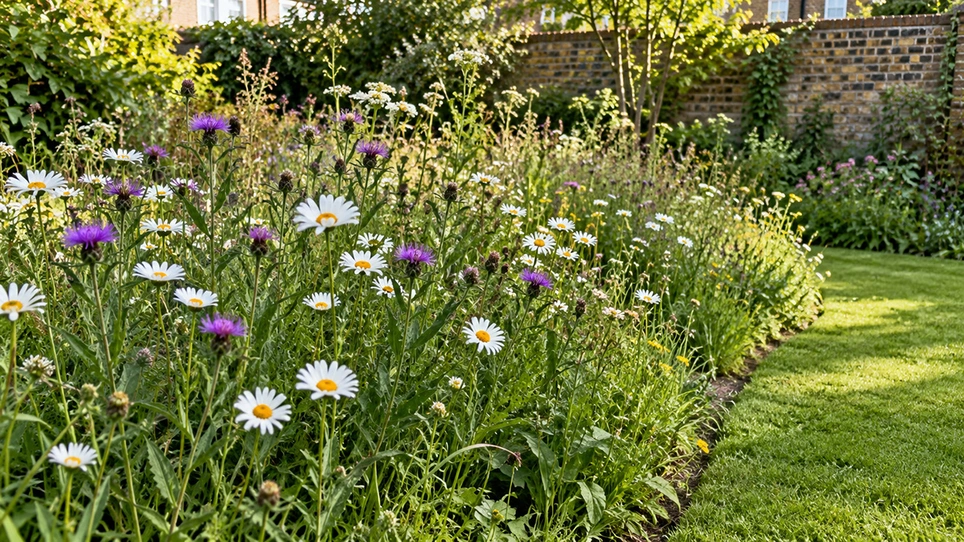


Understanding organic lawn care can seem like a lot to understand. There are many options and plenty of advice for keeping a thriving, green lawn, so we have put together some easy ways to make sure your property is treated and cared for organically with the environment in mind. Yards can be perfectly mowed or left to grow wild. Even Clover, Chamomile, and Creeping Thyme lawns are lovely, but these tips are for the green, grassy lawn to make it spongy beneath your feet!
Basic organic lawn care advice
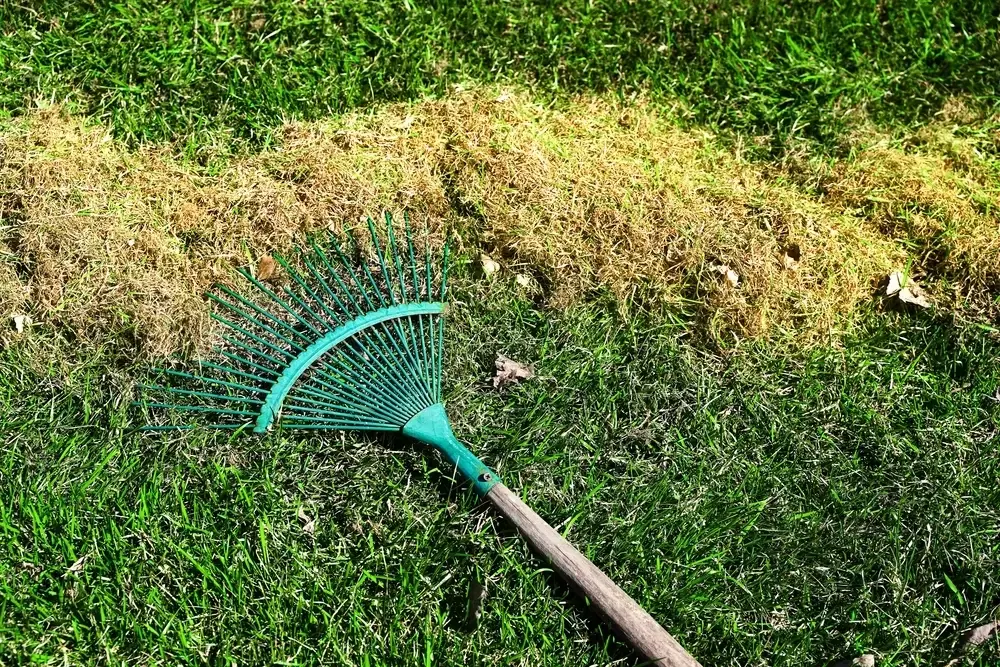
As the weather warms up in spring, begin to rake the grass gently, so you remove any winter debris and weed foliage. This could be composted or left in a pile for your garden birds. Sow lawn seeds when the soil is level and protect them from birds or feet using horticultural fleece. Dig out perennial weeds as needed and aerate the lawn using a fork.
Organic lawn care starts with sowing the right seed
It’s wise to pick the right seed for the usage of your lawn. Otherwise, you’ll be spending a lot of time and resources trying to maintain it than would be needed. If it is grass seed you are starting with or turf, it's important to choose the right grass variety for your purpose. Here's an overview of which types of grasses exist:
-
ryegrass for a hard-wearing lawn,
-
bentgrass to grow a thick lawn,
-
red fescue as another hard-wearing lawn,
-
dwarf ryegrass is ideal for most UK gardens.
Mowing for organic lawn care
When you begin to mow your lawn in later spring, start with a high settling before gradually lowering it to the length you desire. Clippings can go onto the compost heap and sometimes left on the lawn to allow them to release nitrogen back into the soil. Clippings can also be used to mulch around your plants and trees.
Organic lawn care watering and feeding tips
The most important aspect of organic lawn care is to ensure any lawn feed you use is organic. If you buy either a liquid or pellet form of feed, always check the label. Chicken manure, seaweed and top dressing are easy and organic ways to feed your lawn, each with benefits and potential issues. You may not need to feed your lawn at all if you keep it well aerated and watered. Watering is ideally by rainwater, and it is pretty incredible just how fast a yellowing lawn recovers after a dry spell. Always apply any feed as per instructions - usually once or twice a year. Watering is ideally undertaken in the mornings and not in the heat of the day, which will help it reach the roots rather than evaporate.
See us in store for lawn care accessories and advice. Our staff workers know everything about grass seeds, fertilisers and grass mowers, so ask them whatever you need to know to keep a healthy, green and lush lawn.