

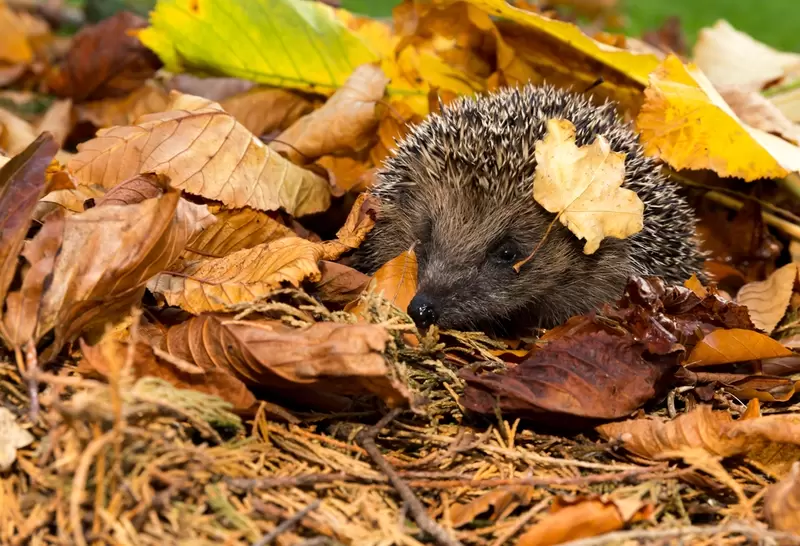
Your garden is home to an incredible variety of creatures, from insects and earthworms to birds and maybe – if you’re lucky – even a hedgehog or two. With wildlife increasingly under threat from urban development and environmental pressures, it’s more important than ever for us to look out for our garden creatures and give them all the help we can. Start planning now for a wildlife-friendly garden next year with these top tips.
Top tips for a wildlife-friendly garden
-
Plant shrubs and trees. Winter is an ideal time for plants to dormant, allowing them to get their roots settled in before spring. So long as the ground isn’t frozen or waterlogged, it’s OK to plant, and many native hedging plants like field maple, hawthorn and blackthorn are available as bare-root plants in winter – a very cost-effective solution if you want to plant a lot of shrubs. Berry-bearing plants provide food for birds, and plants with thorns or spiny leaves, like pyracantha, hawthorn and holly, make excellent shelter for nesting birds in spring.
-
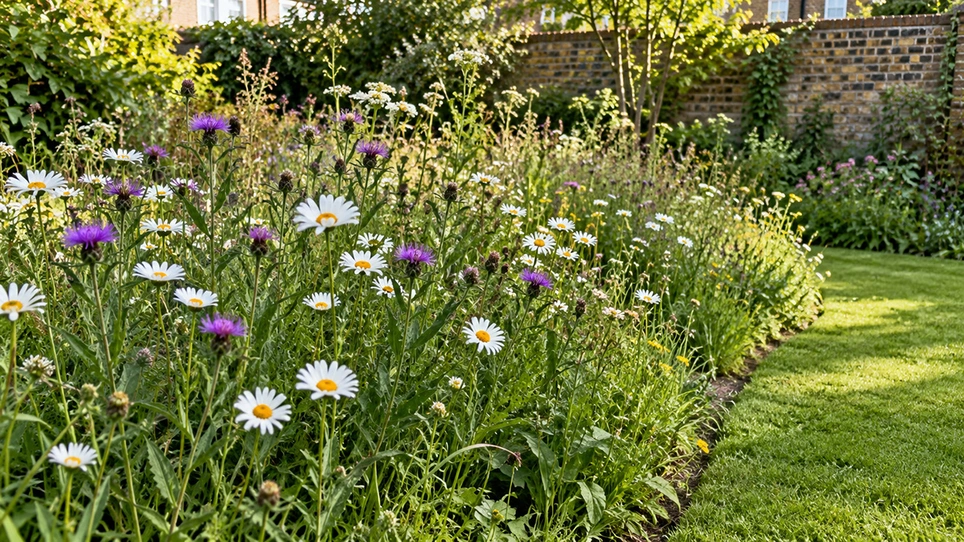
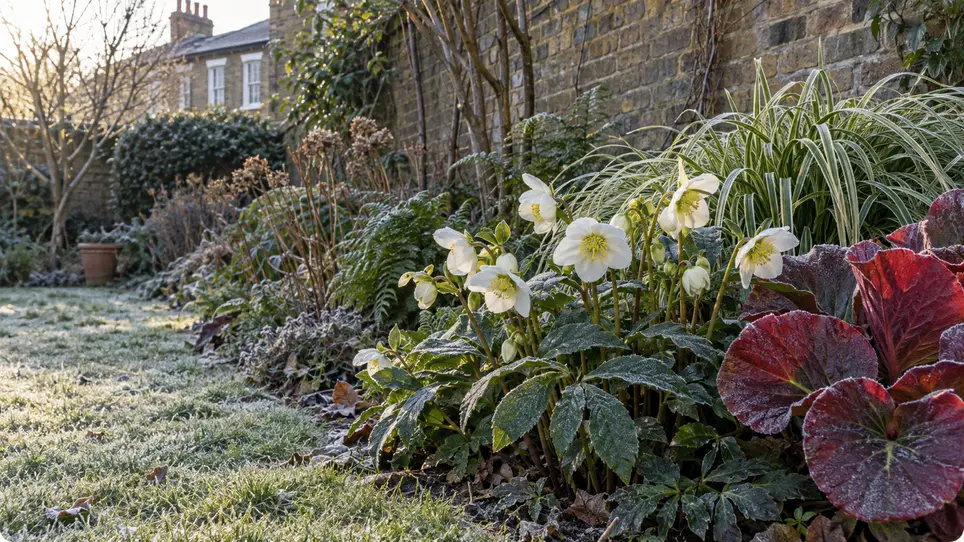
Plan a pollinator-friendly garden. Aim to have at least one plant in flower in each season of the year. Mahonia and hellebores are valuable nectar sources for pollinators around mid-winter, and bulbs like crocuses provide food in early spring. Ivy is also an excellent plant for pollinator-friendly gardens – bees love the flowers in autumn, plus the evergreen foliage shelters all sorts of overwintering garden creatures. Cut it back in spring to keep it from taking over your garden.
-
Create a log pile. If you’re doing any pruning in winter, save the branches and use them to make a log pile in the corner of the garden. Log piles provide habitat for beetles, woodlice, and other creepy crawlies, and a damp, shady log pile may also attract frogs and toads to feast on insects. As a side benefit, frogs and toads are also fabulous at keeping the slug population down, so everyone wins! (Apart from the slugs, that is.)
-
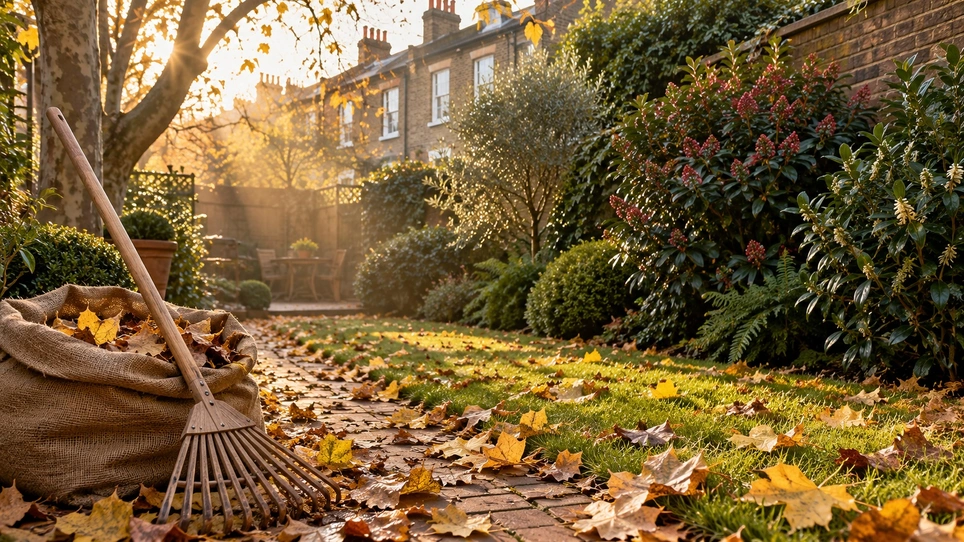
Be a bit untidy. If you didn’t get around to cutting back all your faded perennials in autumn, don’t worry. Hollow dried flower stems provide the ideal home for overwintering insects, and you’ll still have time to tidy up the garden once the weather warms up in spring.
-
Feed the birds. Garden birds can struggle in cold weather, and they need to eat plenty to keep up their fat reserves. Fill bird feeders with high-energy sunflower seeds or hang up suet balls. Birds also need to wash their feathers in winter to maintain their insulation, keeping bird baths topped up and defrosted.
If you’re looking for inspiration or advice on planting a wildlife-friendly garden, visit our centre where you’ll find tools, plants, seeds and much more. Our staff are always happy to help!