

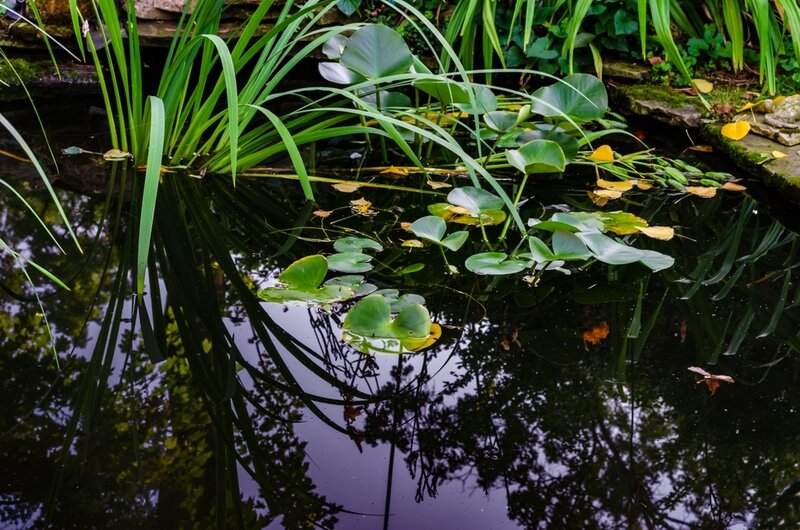
To maintain a thriving pond takes a little bit of knowledge, but it can be very easy to do. We have some great tips to help you keep your fish or wildlife pond, even a pond bucket, happy and healthy full of pond life.
Plants are needed to maintain a thriving pond
After filling your pond with rainwater, the first consideration is what plants will help keep it both looking great and clean and clear. We recommend using a mix of the following water plants to keep your pond thriving:
- oxygenating plants,
- marginal plants and
- floating plants
A mix of the above-mentioned plants gives a lot of interest but also food, hiding places and clean water. Remember to check the size of your pond so you can find out how many of each will fit. Just like any plant, consider its mature size.
Maintain a thriving pond and encourage wildlife
Plants will help wildlife come along and make your pond home, but they will also need to get in and out of the water. Make sure you have plenty of stones in the pond and up to the edges plus around the pond as well so they can access it easily. Tall marginal plants will help and also provide places to hide, such as a toad house in the shade.
Clearing dead material helps to maintain a thriving pond
When your plants die back or find fallen leaves, make sure you remove them as soon as possible to ensure they don’t rot in the water. If you leave them, it can increase nitrogen, and the water will turn green and smell. If you find pond algae, just scoop it out carefully and leave it by the pond for a short time so any creatures caught in it can climb back into the pond.
Keep topping up the water to maintain a thriving pond
Especially during the summer months, as the water evaporates, fill the pond back up again with rainwater preferably. If you can’t use rainwater, allow some tap water to sit for a few hours in a bucket before gently pouring it into the pond. This will help to maintain the temperature and not shock any wildlife living in the water.
Maintain a thriving pond during winter
Even though it gets cold, there are still wildlife sleeping and using the pond. Prevent it from freezing over by placing a tennis ball in the water. The movement helps it not to freeze. If not, make sure to check it regularly and remove the ice carefully.
All of the tips apply to pond buckets, which are a great way to even have a water feature in a small space such as a balcony or on a patio.