

As spring approaches, UK gardeners eagerly anticipate a vibrant burst of colour in their gardens. Over the years, many gardeners have engaged Boma in planning their gardens, planters and the best spring plants for a stunning spring display.
Thankfully the Boma Garden Centre has developed a spectacular comprehensive variety of spring flower bulbs, each with unique characteristics and blooming cycles. Whether you're an amateur or an expert, this guide covers all the essentials of planting and caring for spring bulbs in the UK.
10 Best Spring-Flowering Bulbs For Your UK Garden
If you didn’t have time to plant bulbs in the autumn, don’t worry! You can still enjoy the flowers this spring by buying pots of pre-planted bulbs. Boma offers a wide range of bulbs suitable for spring planting in the UK. Here's a more detailed look:
Tulips
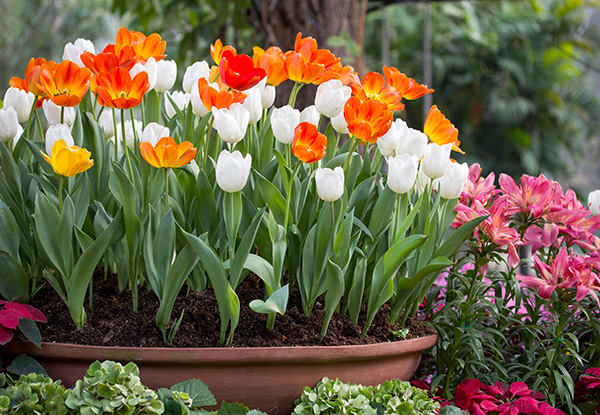
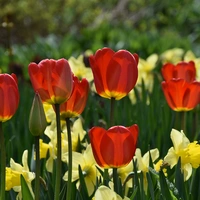
Tulips are among the most popular and versatile spring bulbs, offering a rainbow of colours from deep reds to vibrant yellows. Originating from Turkey but highly celebrated in the Netherlands, they have become a staple in UK gardens of all sizes.
Suitable for beds, borders, planters, and pots, too, their elegant blooms bring a touch of sophistication to any garden setting. Their variety of vibrant colours and form makes them ideal for traditional and contemporary garden designs.
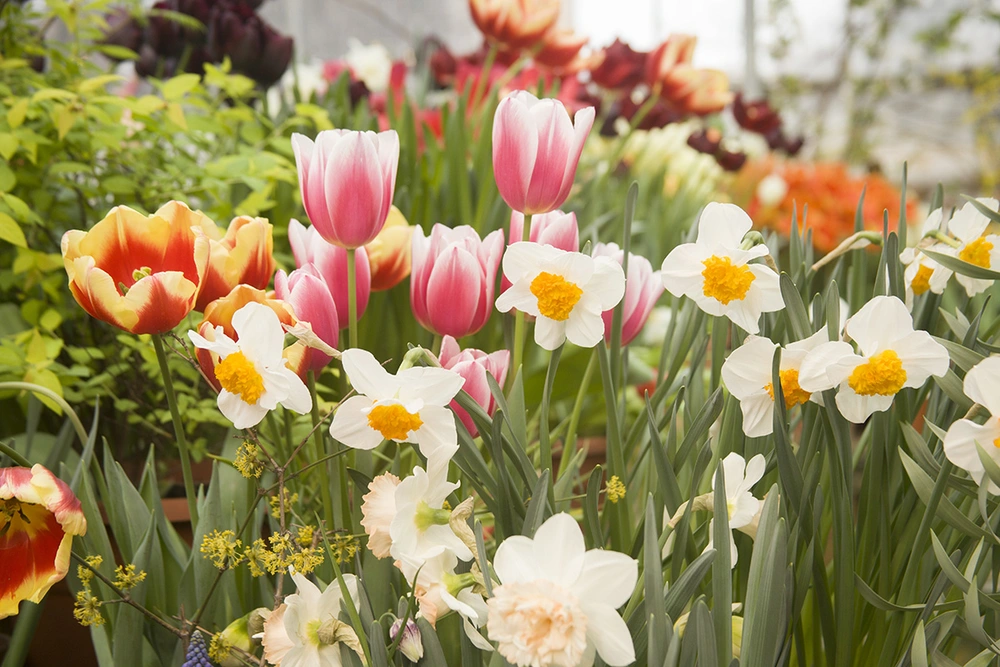
With scores of Tulip types, the Boma collection includes single, double, and fringed petal varieties in colours, patterns and shapes you couldn't imagine. Tulips in the UK bloom from late April to May, providing myriads of colours and exotic variations. Tulips are very easy to grow, preferring a sunny spot and well-drained soil.
Boma's range includes the Golden Apeldoorn, Apricot Beauty, Uncle Tom, Ile De France, Miss Elegance, and Bleu Aimable.
Daffodils
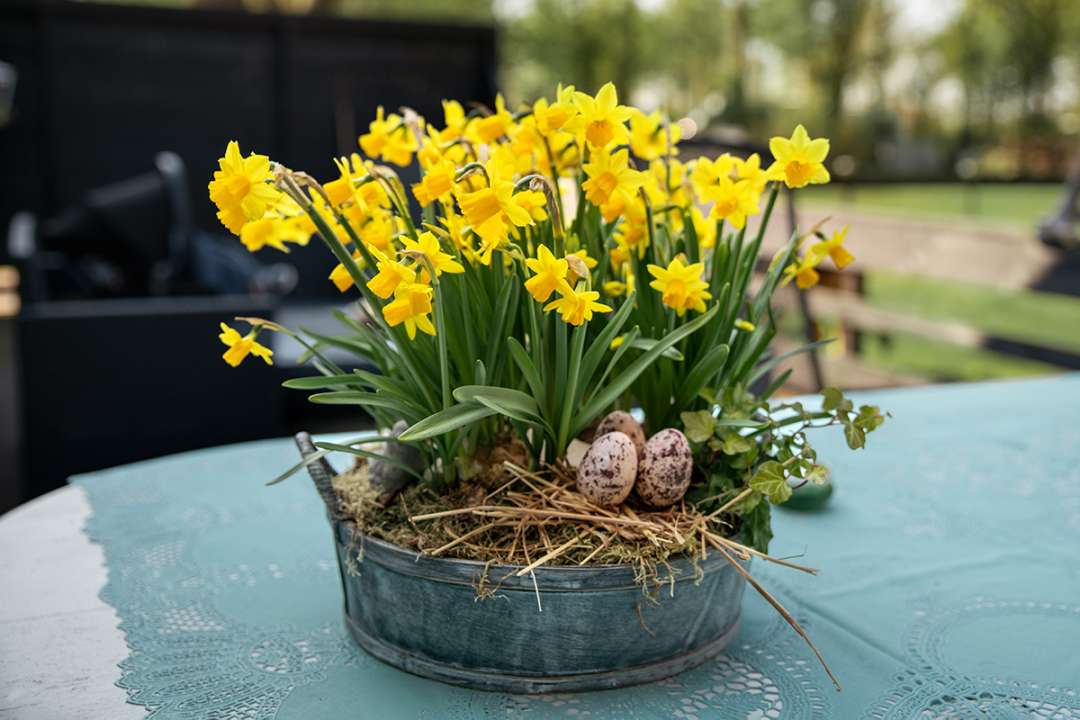
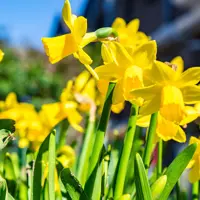
Daffodils (Narcissus) are a British favourite, with a vast range of colour tones and petal types. Daffodils are the quintessential heralds of spring in the UK, lighting up gardens with their bright yellow blooms.
Easy to grow and incredibly resilient, daffodils are ideal for planting in beds, borders, and containers. Their cheerful appearance not only elevates any garden design but also attracts beneficial pollinators, making them a staple in eco-conscious gardens. Narcissus blooms from late March to April.
Boma's range of Narcissi is breathtaking, including types such as the Jet Fire, Minnow, Jack Snipe, Lemon Sailboat, Tete a Tete, Bridal Crown, and Carlton, to name just a few.
Daffodils are one of the most popular and easy-to-grow spring bulbs, and there's an incredible variety of different flowers to suit all tastes.
Depending on the type you choose, you can have flowers any time from late winter (Narcissus' January Gold') to late spring (Narcissus pseudonarcissus – the daffodil that inspired Wordsworth!) Daffodils do best in full sun and well-drained soil.
Muscari
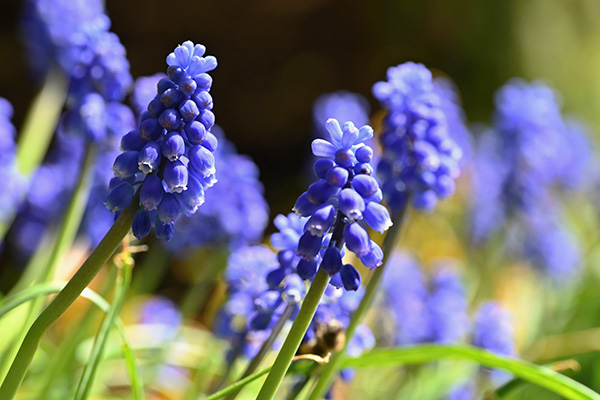
Muscari or Grape Hyacinths are small but striking. They are easy to grow and thrive even in partially shaded areas, flowering from early to late spring. Muscari bulbs are low-maintenance and naturalise easily, returning year after year with their vibrant, densely packed flower spikes.
These hardy bulbs thrive in both full sun and partial shade, making them perfect for borders, rock gardens, and containers. Water regularly after planting to establish strong roots, and enjoy their fragrant blooms all spring long.
Crocuses
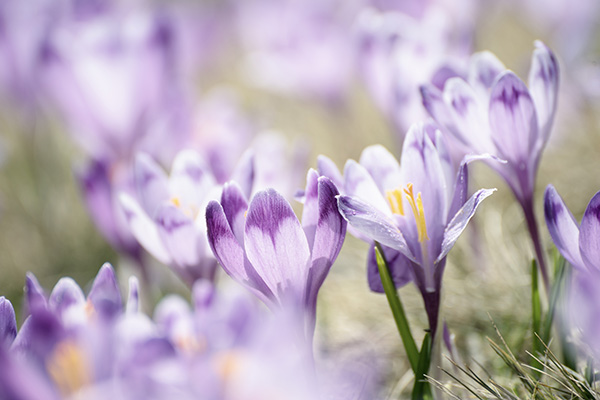
Crocuses are one of the earliest spring bulbs to bloom, making them one of the first signs of spring, cheering up cold grey days with their small goblet-shaped flowers in bright colours.
They're hardy and can even push through snow to offer colourful shades of blue, white, purple, yellow, and striped varieties, with exotic names such as the Tommasinianus, Gipsy Girl, and Miss Vain, which are available in Crocus Mixed Species as well.
They're ideal for pots and also look lovely naturalised on a lawn. Crocuses love the sun and well-drained soil.
Hyacinths
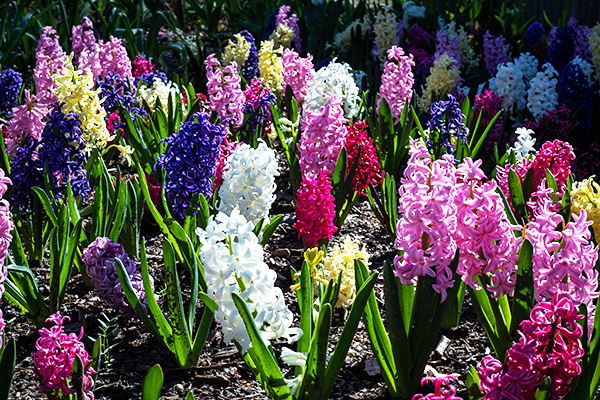
Hyacinths (Hyacinthus orientalis) are loved for their beautiful fragrance and come in a wide range of gorgeous colours, like the bright pink flowers of Hyacinth ‘Jan Bos’ or beautiful soft yellow Hyacinth 'City of Haarlem'. They look superb in pots near the house or planted along the edge of a path so you can appreciate the fragrance as you pass.
Known for their rich fragrance, hyacinths are a treat for the senses. They flower from early to mid-spring and are often used in perfumery.
If you're in London, consider visiting Boma Garden Centre in Kentish Town—the garden centre stocks a range including (but not limited to) the White Pearl, Delft Blue, WoodStock, Carnegie.
Alliums
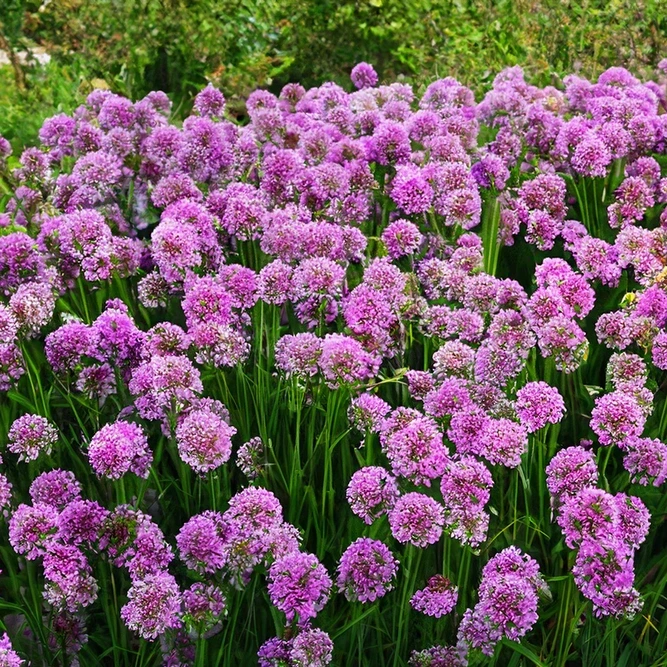
Also available at Boma are Alliums, a stunning addition to any UK garden, offering dramatic spheres of tiny flowers in shades of purple, pink, and white. These spring-to-summer bloomers are highly versatile, suitable for both formal and informal garden settings. They're also treasured for attracting bees and other pollinators, making them an eco-friendly choice for your garden.
Varieties include the Purple Sensation, Christophii, Millennium, Sphaerocephalon and Atropurpureum.
Irises
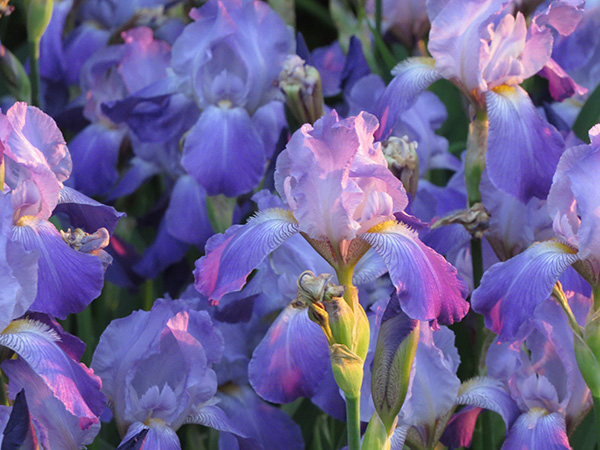
Irises bring elegance and a pop of colour to gardens, featuring striking, sword-like foliage and complex, beautiful flowers. Bulbs are available in a multitude of flowering colours and patterns, from deep purples to sunny yellows. Iris reticulata bulbs do best in well-drained soil in full sun and they bloom in late spring to early summer in the UK. Their unique form makes them a focal point in any garden design.
Boma's range includes Reticulata Blue Note, Harmony, S Dij, Sable and Black Swan, to name a few available varieties.
Iris reticulata are the earliest irises to flower, blooming in late winter and early spring. Their elegant flowers look stunning, combined with early daffodils in pots. Look for Iris Harmony, with its deep blue flowers, or rich purple Iris Pauline.
Snake-Head Fritillaries
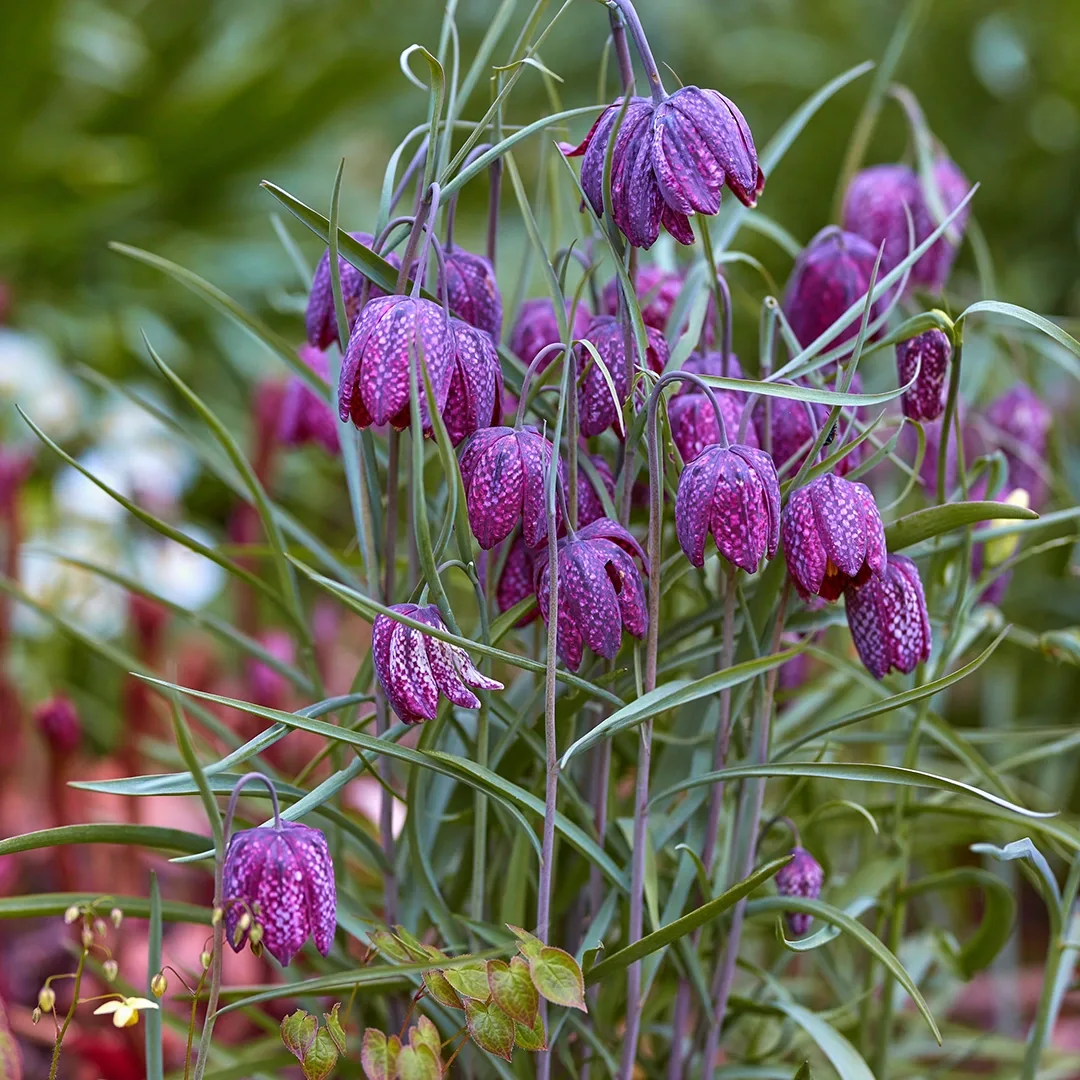
Snake-head fritillaries or Fritillaria meleagris are suitable for damp soils and will grow happily in light shade. With their striking white or maroon nodding flowers and snakeskin marbling, these elegant spring bulbs look fantastic planted in large groups or on naturalised lawns.
Fill your garden with a sea of nodding, deep pink bells by naturalising these Snake’s Head bulbs in your lawn. Once planted, they will return year after year, spreading naturally for a beautiful, effortless display. This charming woodland bulb thrives in well-drained yet moisture-retentive soil and flowers from April onwards with delicate clusters of nodding, mosaic-patterned blooms.
At Boma, we stock stunning Fritillaria varieties with delicate nodding bell-shaped blooms, perfect when naturalised in lawns for your spring display.
English Bluebells
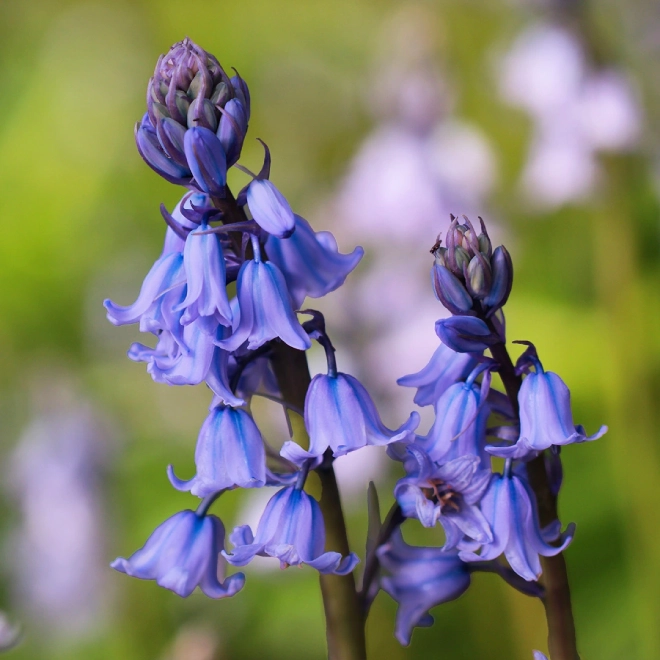
Endymion Non-Scriptus, commonly known as the English Bluebell, is a cherished perennial that heralds the arrival of spring with its vibrant blue flowers. These potted bulbs are perfect for creating a natural, woodland-inspired look in your garden or for adding a touch of elegance to shady areas. As woodland plants, they grow well in dappled shade. Plant them in large swathes for a sea of blue flowers in mid-spring.
At Boma Garden Centre, we stock Endymion Non-Scriptus in 1L pots and Endymion Non-Scriptus in 9cm pots that create an enchanting, fairy-tale effect and are excellent for container planting, allowing you to enjoy their beauty on patios or urban balconies.
Snowdrops
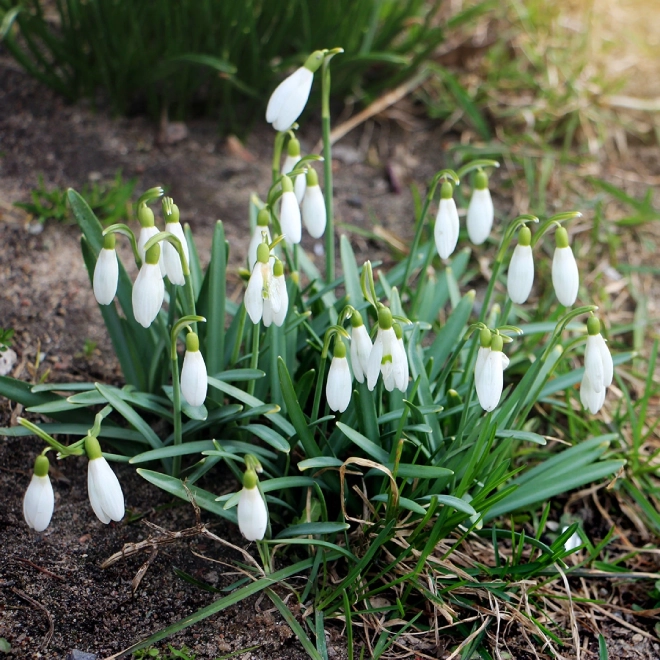
The Galanthus nivalis 'Snowdrop' (in stock at Boma Garden Centre) is an elegant woodland bulb that flowers in late winter to early spring, a welcome sign that spring is on its way.
Providing a sea of white bell-shaped blooms, these delicate white nodding flowers with green markings happily grow under deciduous trees or shrubs where they will get sun in early spring before the leaves appear.
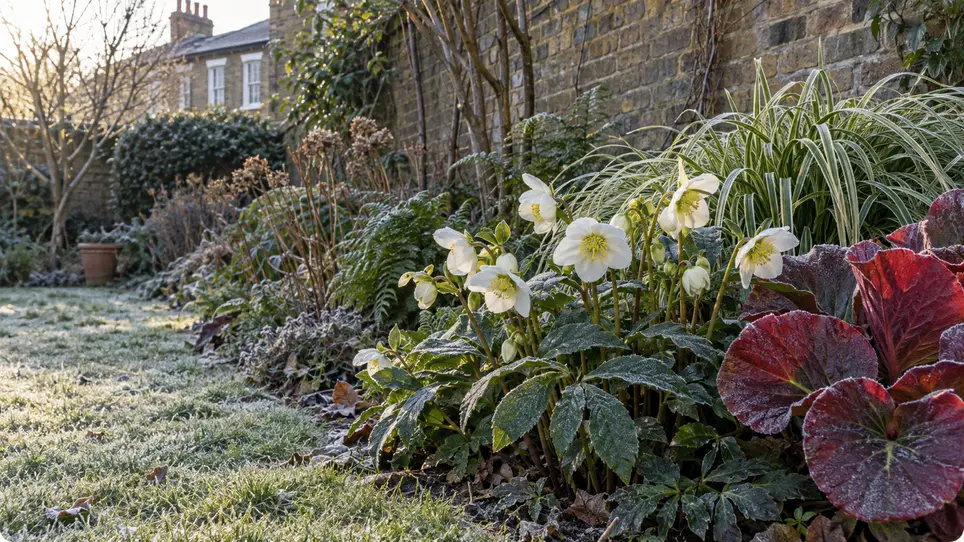
Plant in a container with Helleborus for a colourful spring display, or plant on mass naturalised in a lawn for a stunning winter display.
Best Spring-Flowering Plants For Pots
On top of your spring-flowering bulbs, you might also be looking for the best spring-flowering plants to grow in pots. If your garden needs a dose of colour, we have everything you need to brighten up pots, beds and window boxes this spring!
Here are some of the top choices specifically for pots:
- Violas and pansies: You can’t beat violas and pansies for cheering up pots and window boxes in spring. The dainty-looking plants are surprisingly tough, and they cope well with any sudden spring frosts.
- Primulas: Primulas are great for pots kept in shady spots, and as well as the traditional soft yellow of the common primrose (Primula vulgaris), there’s a fantastic range of brightly coloured varieties available.
- Wallflowers: Wallflowers flower for a long time in spring, and come in a range of gorgeous rich colours including purple, red, orange and golden yellow. Many are deliciously scented too, adding an extra dimension to the spring garden, and they combine beautifully with tulips and other spring bulbs.
Spacing, Depth, and Quantity Gardening Tips For Spring Bulbs
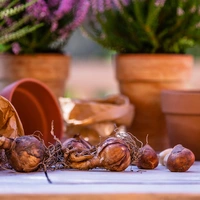
Spring bulbs should generally be planted at a depth three times their height and spaced about 3-6 inches apart. You can use a Bulb Planter, a valuable tool to plant bulbs at the correct space and depth. The number of bulbs you'll need per square area depends on the size of the bulb:
- Small bulbs like crocus: 50-75 bulbs per square foot
- Medium bulbs like daffodils: 20-25 bulbs per square foot
- Large bulbs like tulips: 12-20 bulbs per square foot
For plant depths, bulbs need to be hidden under the soil, where they store energy through the winter until they pop up through the ground and give us so much spring joy when they bloom.
Planting depths are usually about three times the size of the bulb, but you can also use these examples to know how deep you should plant your spring-flowering bulbs:
- Tulips: 20cm
- Iris: 10cm
- Daffodils: 15cm
- Large Alliums: 30cm
- Smaller Alliums: 15cm
- Crocus, Snowdrops and Hyacinths: 10cm
Too deep may mean they won’t flower but too shallow, you may find them eaten by squirrels!
Creative Design Tips for Spring Flowering Plants
Aside from traditional garden beds, here are a few more innovative design ideas for showcasing your spring bulbs:
Border Gardens
Line your walkways or fences with tulips or daffodils for an inviting path. The structured arrangement of flowering garden borders creates a natural flow through your garden while adding vibrant colour to the edges of your space.
Containers
Use decorative pots and planters to add elevation and depth to your garden. Layering different bulb varieties in a single container can create a stunning tiered effect, creating continuous blooms throughout spring.
Woodland Settings
Mimic natural landscapes by scattering bulbs in wooded or grassy areas. Planting in irregular clusters rather than neat rows helps achieve a more organic, wildflower-meadow look, perfect for creating a relaxed, naturalistic aesthetic.
Lasagne Planting Schemes
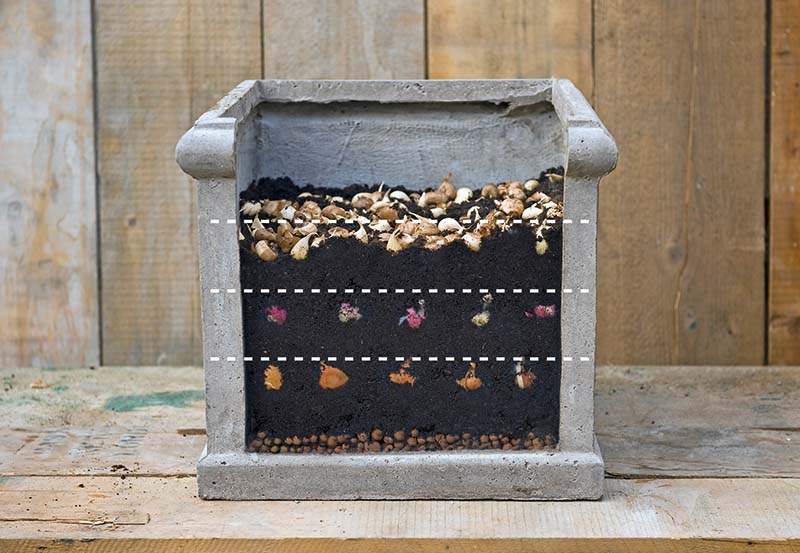
A multi-layered approach that provides ongoing blooming from late winter to late spring, lasagne planting is an innovative technique that allows gardeners to layer different bulbs in a single container for a prolonged and stunning display. This method maximizes space and creates a continuous blooming effect, offering an ever-changing but always delightful display.
Here's how to create a flower bulb lasagne planting scheme for your spring bulbs:
- Choose Your Container: Ensure it has proper drainage.
- Add Drainage Material and Soil: Place gravel or broken pots at the bottom, followed by a layer of soil.
- First Layer: Plant late-spring bloomers like tulips ('Combi Tulipa Red Shades') at the bottom.
- Add Soil: Cover the first layer with soil.
- Second Layer: Plant mid-spring bloomers like daffodils ('Combi Narcissus & Muscari').
- Add Soil: Add another layer of soil.
- Third Layer: Top with early spring bloomers like crocuses ('Combi Tulipa & Muscari').
- Final Soil Layer: Add a last layer of soil and water well.
Final Spring Gardening Tips For Beautiful Displays
- For garden safety after winter rains, remember that paths and garden beds can be slippery. Wear sturdy, non-slip footwear and clear debris that might cause falls.
- Use well-maintained, ergonomic gardening tools and accessories for gardening in spring to minimize strain on your back and joints.
- When you’re planting for spring colour, don’t forget about foliage. Pair your spring bulbs with seasonal foliage plants such as:
- Hostas — Renowned for their broad, textured leaves, hostas provide a striking contrast to delicate bulbs like daffodils and tulips. Their varying shades of green, blue, and even gold can elevate your garden’s aesthetic.
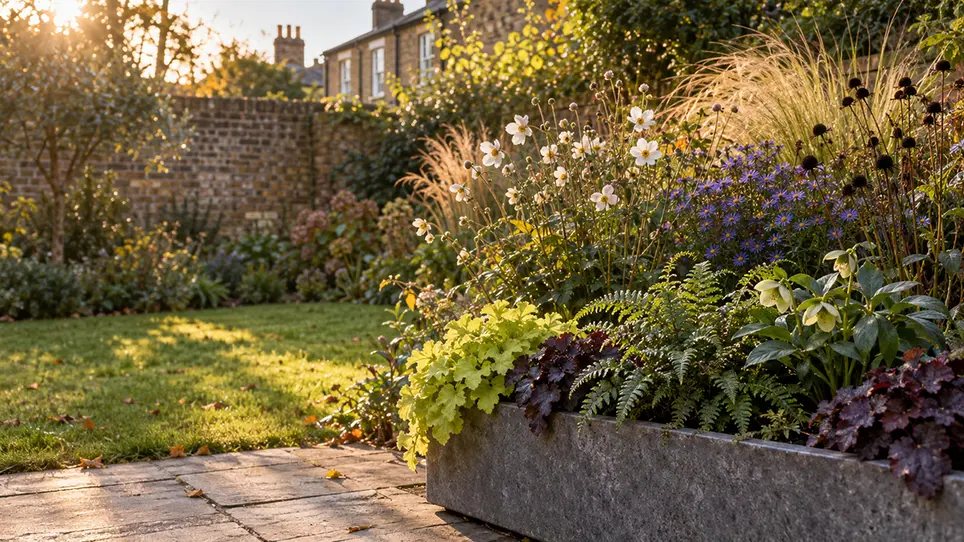
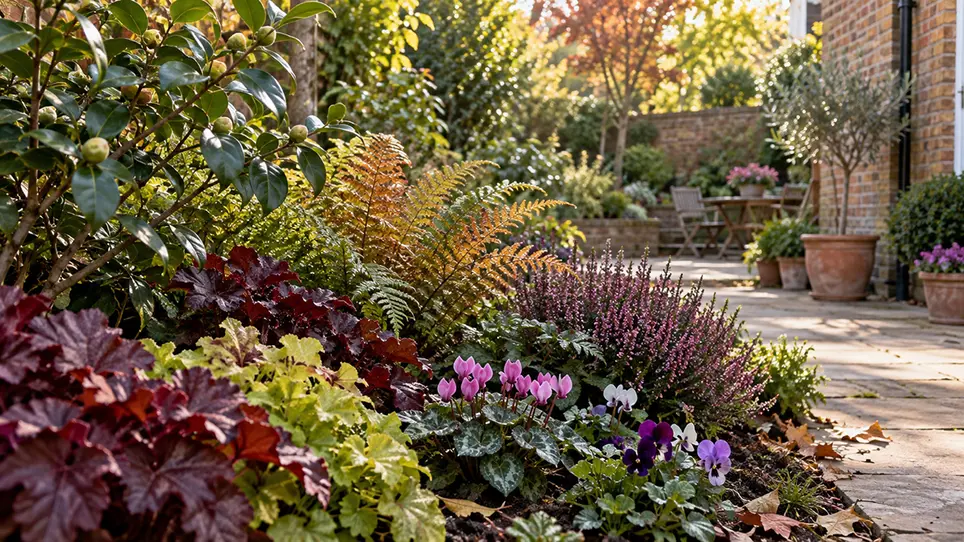
- Heuchera (Coral Bells) — With leaves in a fantastic range of colours from silvery-purple to bright fire-engine red, heucheras provide an instant burst of colour in pots and borders. They complement flowering bulbs by adding depth and a soft, feathery texture.
- Ferns — Ideal for shaded areas, ferns add an air of delicacy and movement to your garden. Their lacy fronds work well alongside the bold, structured forms of spring bulbs.
- Apply mulch around your plants to help conserve moisture, suppress weeds, and regulate soil temperature.
- Early morning watering is best—it allows moisture to reach the plant roots while giving foliage time to dry before the heat of the day.
- Trim back any dead or damaged branches from winter storms. This not only refreshes your plants but also encourages healthy new growth.
- Take time to sketch out your garden’s design. Consider plant heights, colours, and bloom times to create a balanced, visually appealing display.
Discover Spring Bulbs at Boma Garden Centre
By taking time to plan, prepare, and provide ongoing care, you will create a garden that not only welcomes spring but becomes the talk of the neighbourhood. Armed with this guide, you are now well-equipped to start your journey in cultivating a vibrant spring garden.
For those looking for a one-stop shop for all your bulb needs, Boma can be your go-to place for an extensive range and expert advice. We have a wide selection of outdoor plants including the flowering bulbs mentioned here—ranging from tulips and daffodils to irises and hyacinths.
Whether you're a first-time gardener or an experienced horticulturist, you'll find everything you need at Boma Garden Centre in Kentish Town.
Our Planting Services
Our planting services are designed to take the hard work and guesswork out of creating a beautiful London garden, from first ideas through to planting day. If you’re looking to refresh tired borders, transform a small courtyard or roof terrace, or completely redesign your garden, Boma’s specialist team can plan, source and install planting that’s tailored to your space and how you live. Share a few details about your garden and goals, and they’ll put together a planting solution that makes your outdoor space feel considered, cohesive and ready to enjoy.
Courtyard & roof terrace gardens
Spring Bulb Gardening Tips: Popular Questions
What is the best soil for spring bulbs in the UK?
Quality soil plays a crucial role in the success of your spring bulbs. Ideally, you want well-drained soil that's rich in organic matter. Adding a layer of compost can enhance poor-quality soil, providing your bulbs with the nutrients they need to flourish.
Boma stocks Miracle-Gro® Bulb Fibre to boost Your Bulb Plants. It incorporates patented Smart Fibre Technology and is designed for bulbs like tulips, daffodils, hyacinths, and crocuses. It provides all the essential nutrients your plants crave, promoting rapid root growth and ensuring your bulbs rejuvenate and flourish in subsequent seasons.
Where should I store spring bulbs in the UK?
Sometimes you may need to store bulbs for specific varieties before planting or during winter. Keep them in a cool, dry place, preferably in a paper bag filled with peat moss or sawdust, to help prevent pests and diseases in spring bulbs in the UK.
When should I plant flower bulbs for spring in the UK?
Timing is crucial when it comes to planting bulbs for spring. Generally, the best time to plant most spring bulbs in the UK is during the autumn months, from September to November. However, each type of bulb has its optimal planting time. For instance, varieties of daffodils and hyacinths in the UK can be planted as early as late summer. At the same time, tulips can go into the ground as late as November.
When is the best time to feed plants in spring?
In the UK, it’s best to wait until the risk of frost has passed—typically early to mid‐April—when soil temperatures have warmed to around 13°C (55°F) or more and plants have started to show new growth. This ensures that the roots are actively growing and able to absorb the nutrients without the risk of encouraging overly soft, frost‐sensitive growth.