

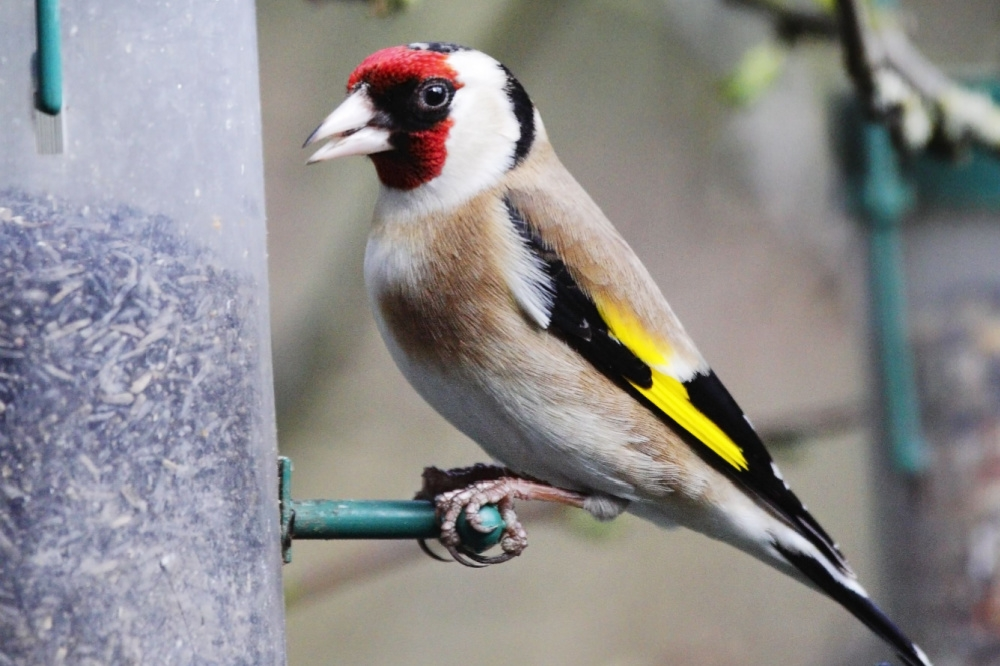
A garden filled with birds is a joy to be in. Birds add colour, music and life to our gardens, and they also do a fantastic job of keeping garden pests like caterpillars and aphids under control. Some birds will even eat slugs and snails! Our gardens can also be a valuable resource for birds, providing food, shelter and nesting sites, so making your garden more bird-friendly is a win-win situation! Here’s how to encourage more birds into your garden.
6 ways to attract birds to your garden
-
Put up a few bird feeders. Remember that birds have different feeding habits, so ground-feeding birds like robins and blackbirds prefer table feeders, while bluetits and goldfinches will come to hanging feeders filled with seeds or nuts. Place your feeders near shrubs or trees to give birds an escape route if cats or other predators appear, and remember that it can take some time for birds to find your feeders, so don’t worry if they don’t all turn up straight away!

-
Plant berry-bearing shrubs like holly, berberis, crab apple, rowan and hawthorn, which all provide food for birds in autumn and winter. The brightly coloured berries will also cheer up the garden on gloomy winter days – at least until the birds have eaten them all!
-
Mature ivy is a superb plant for a bird-friendly garden. The energy-rich berries are a good food source in late autumn, and the evergreen leaves provide good shelter both over winter and in the nesting season. To keep ivy from getting out of control, cut it back hard in early spring.
-
Put up bird nesting boxes in autumn or winter so that they’re ready for the birds to find when they start looking for nesting sites in early spring. Avoid south-facing walls, which will get too hot, and west-facing walls, which will get the full blast of prevailing winds. North or north-east-facing walls are ideal.

-
Although it’s tempting to use pesticides to get rid of slugs, aphids and other garden pests, try to avoid doing this as much as possible, as these creatures provide food for your garden birds. Bluetits and great tits eat huge amounts of aphids, especially during the breeding season, and blackbirds and thrushes will help to keep slugs and snails under control. If the birds aren’t eating enough of your garden pests, try non-chemical controls like wiping bugs off plants or spraying them off with a water jet.
-
If you have space, leave a small area of your lawn to grow long, providing homes for insects and invertebrates that then become food for birds. Leave the long grass to stand over winter so that birds can have their pick of the newly hatched insects in spring to feed to their own young chicks.
With our fantastic range of bird care products and wildlife-friendly plants, you’ll soon have birds flocking to your garden. Visit us today for help and advice!