

Growing your own fruit and vegetables can be very rewarding. But sometimes, it can also feel like a battle, with every creature in your garden just waiting for the chance to devour your carefully nurtured plants. Here are our top tips on keeping your crops safe from everything that wants to eat them.
Slugs and snails
These slimy critters are consistently top of gardeners’ lists of most hated garden pests, coming in under cover of darkness and demolishing plants and seedlings. Keep on top of them with these tips:
- Untidy gardens give slugs and snails plenty of places to hide, so clear out the clutter. Remove old leaves and weeds, and put them on your compost heap far away from beds.
- Copper tape around the tops of pots discourages slugs and snails, as they don’t like to cross it.
- One of the most effective ways to protect your plants is to go slug-hunting late at night with a torch, remove any slugs and snails from your plants and dispose of them.
- And of course, if nothing else works, there are always slug pellets but do make sure always to use environmentally-friendly pellets.
Rabbits and deer
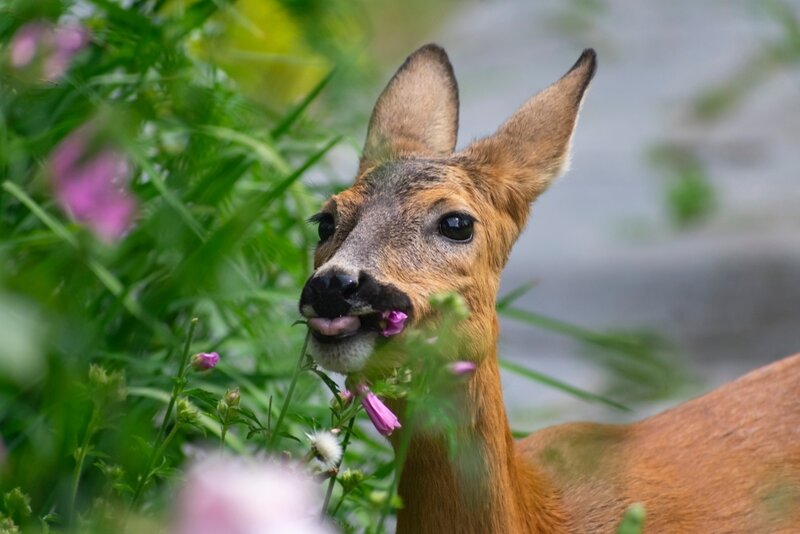
Rabbits and deer might look cute, but they’re not good news in the vegetable garden, devouring all your precious seedlings. Good fencing is the best defence against these hungry visitors. The fencing should go down 30cm (1ft) below ground to stop rabbits burrowing under it. A 1.2m (4ft) high fence should keep the rabbits out – for deer, make it 1.8m (6ft) high. Surround young tree seedlings with wire to stop rabbits gnawing the bark and killing the tree.
You can buy chemical repellants for both rabbits and deer at garden centres. They need to be applied regularly to be effective. You can also try soaking cotton wool buds in peppermint oil and leaving them around the garden, replacing them regularly.
Birds
Birds will peck at the leaves of vegetables, especially brassicas like kale and cabbage, and strip fruit bushes. To protect soft fruit, net the bushes once the fruit ripens, keeping the netting taut so that small birds don’t get tangled in it. Protect brassicas with netting supported on canes or hoops.
Squirrels
Squirrels are notorious for digging up spring bulbs planted in pots and beds, especially tulip and early iris bulbs, which they see as a tasty meal especially buried for their convenience.
To deter squirrels, peg down chicken wire over areas planted with bulbs. This stops the squirrels from digging, and the bulbs can grow up through the wire. You can remove the wire once shoots start appearing, as squirrels seem less inclined to dig up bulbs once they have started to grow.
We have a wide range of solutions in the centre to keep your plants safe and healthy, so visit us today. Our staff are always happy to advise!